A federal judge said Tuesday he will order the release of some records tied to the Ilhan Omar investigation, the ongoing federal probe that included a search of the Minnesota congresswoman’s Washington home last month.
Judge James Boasberg of the U.S. District Court for the District of Columbia made the announcement during a hearing brought by news organizations and an advocacy group seeking details about the search. Boasberg ordered the government to submit by Friday what information could be disclosed, and he directed prosecutors to propose redactions to the still-secret docket.
The hearing centered on the “speech or debate” clause, a constitutional protection that shields members of Congress from legal scrutiny for actions tied to their official duties. Boasberg said the core questions before the court are “purely legal questions, interesting questions, about the privilege, the extent of the privilege and how it would apply.” Those questions are shaping what investigators can legally examine and what records a court can release.
According to the Ilhan Omar federal search case, Boasberg said next week’s expected disclosures will not include the 67-page affidavit investigators used to justify the search warrant. He left open the possibility of unsealing that document later if the government either closes the case or brings charges against Omar.

Justice Department attorney Alessandra Serano pushed back against broad disclosure, arguing it is “very rare that a precharging, pre-indictment unsealing would happen.”
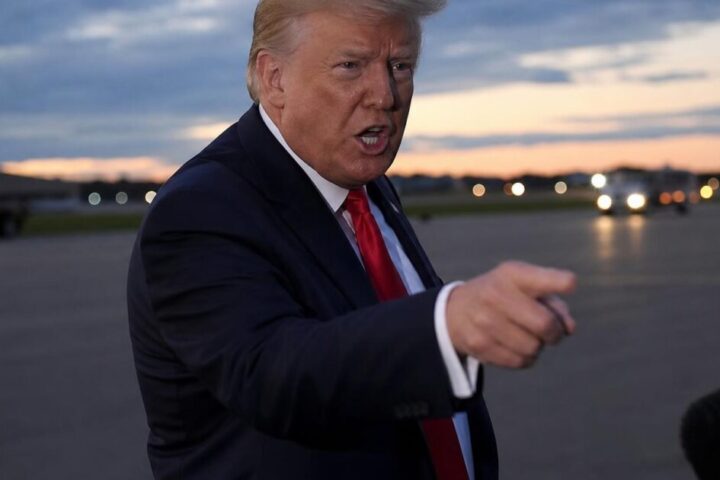
The political stakes hung over the courtroom. Boasberg noted that “administration officials, prominent ones” have already spoken publicly about the investigation’s purpose. President Donald Trump said last month the Justice Department was looking into Omar “strongly.” Department of Homeland Security Secretary Markwayne Mullin said on a recent podcast that investigators had served multiple search warrants and were looking into possible immigration fraud tied to how Omar entered the United States as a child. The administration executed the search warrant in October, weeks before the midterm elections, drawing accusations from Democrats who said the timing was designed to influence voters.
Omar filed her own court case earlier this month seeking the return of items seized during the search. Boasberg said he may issue rulings in coming weeks unsealing portions of that case and other related proceedings as well.
The judge’s Friday deadline for the government’s submission means the first round of disclosures could come as early as next week. What share of the investigation’s record ultimately becomes public will depend on how the court weighs the speech or debate privilege against the press and public’s interest in transparency. Share your thoughts on the case in the comments or on social media.