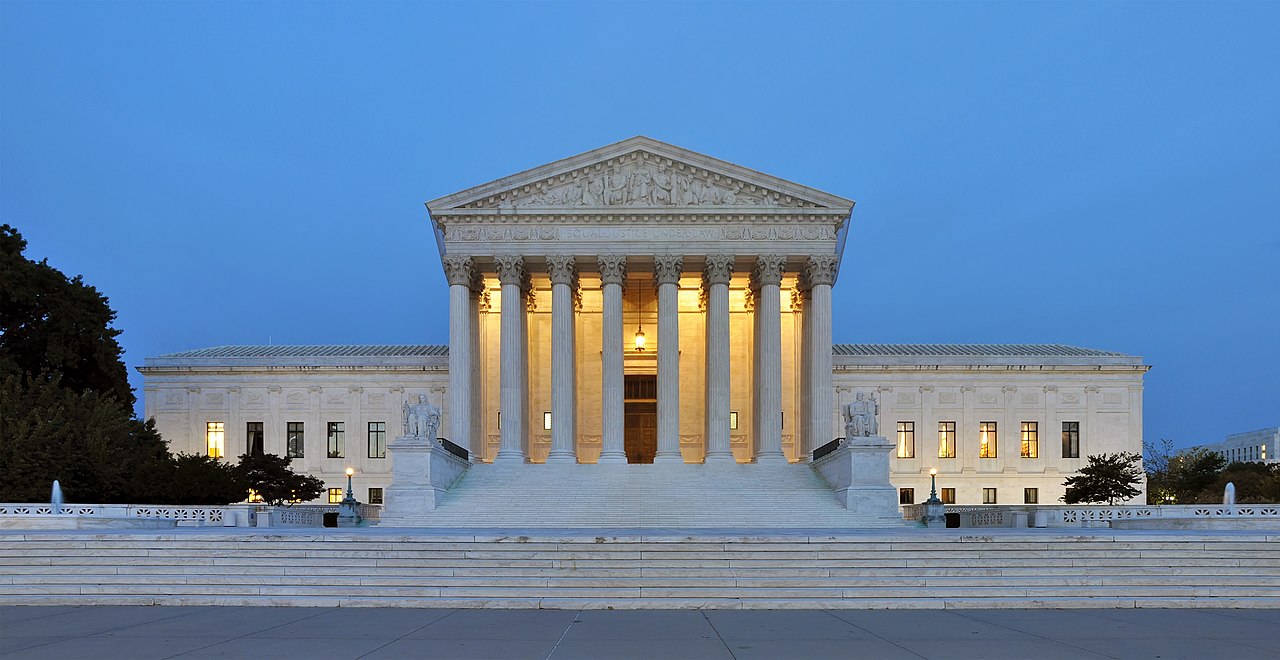
Liberals fully understand how our government operates, which is why they are in conflict with the system. This has been evident for years. They believe that all aspects of society must be dismantled to serve the interests of the state. Therefore, when documents like the Constitution or institutions like the Supreme Court obstruct the progressive agenda, they seek to eliminate them. Both serve as safeguards against unchecked government power.
The essence of the Constitution outlines the limits of government power, but we often lose sight of that principle. The Supreme Court is facing serious issues with its staff, as evidenced by the leak of the Dobbs decision. Now we have revelations about a so-called secret docket, allegedly stemming from a liberal staffer’s discontent with the court’s obstruction of Barack Obama’s aggressive anti-coal policies.
The real story here isn’t the memos themselves, but the leaks—something the New York Times has reported on extensively—which they suggest contribute to the creation of a some sort of “shadow docket” or whatever, suggesting the conservative majority is subverting the institution – not the left-wing activist staffers engaging in unprecedented leaks:
Just after 6 p.m. on a February evening in 2016, the Supreme Court issued a cryptic, one paragraph ruling that sent both climate policy and the court itself spinning in new directions.
For two centuries, the court had generally handled major cases at a stately pace that encouraged care and deliberation, relying on written briefs, oral arguments and in-person discussions. The justices composed detailed opinions that explained their thinking to the public and rendered judgment only after other courts had weighed in.
But this time, the justices were sprinting to block a major presidential initiative. By a 5-to-4 vote along partisan lines, the order halted President Barack Obama’s Clean Power Plan, his signature environmental policy. They acted before any other court had addressed the plan’s lawfulness. The decision consisted of only legal boilerplate, without a word of reasoning.
At the time, the ruling seemed like a curious one-off. But that single paragraph turned out to be a sharp and lasting break. That night marks the birth, many legal experts believe, of the court’s modern “shadow docket,” the secretive track that the Supreme Court has since used to make many major decisions, including granting President Trump more than 20 key victories on issues from immigration to agency power.
Since that night a decade ago, the logic behind the Supreme Court’s pivotal 2016 order has remained a mystery. Why did a majority of the justices bypass time-tested procedures and opt for a new way of doing business?
Naturally, we want to know who did this, especially after Chief Justice John Roberts closed the book on the leak of the Dobbs case without ever finding out (or announcing) whodunit. And there may be a clue as to the guilty party’s identity – or at least who he or she was working for:

We may not have a suspect on the latest SCOTUS leak, but we have a clue, notes @jadler1969: pic.twitter.com/i0xJQlUPte
— Dan McLaughlin (@baseballcrank) April 19, 2026
Another major Supreme Court leak to a left-wing media outlet to support a left-wing narrative. Interesting. https://t.co/TiGd5X06uq
— Mollie (@MZHemingway) April 18, 2026
The aim of all this is to undermine the legitimacy of the Court. The Left has been steadfast in this effort because its agenda does not align with our laws. They want to pack the Court, prevent it from exercising its judicial review function, and establish themselves as the ultimate authority over their broadly unpopular and extreme policy proposals, rather than relying on elections or legislatures. This is why the Left can no longer engage in normal debates. Their beliefs are out of touch and appealing only to a niche group. Most Americans are not interested in these views, and many of them simply do not matter. Only someone on the far Left would be concerned about issues like stolen land or neocolonialism. The rest of us, who have responsibilities and prefer to focus on work rather than complaining, have different priorities.
That said, Reason published a good summary about the Times’ lengthy piece, noting further that there is a clue as to who leaked these documents:
The documents confirm what a few of us suggested at the time: The Court’s majority was concerned that, without a stay, the Environmental Protection Agency would get away with imposing unlawful regulatory burdens on electric utilities, as has occurred with the mercury regulations held unlawful by the Court in Michigan v. EPA.
As a memo by the Chief Justice notes, the EPA had crowed that the Court’s Michigan decision was effectively irrelevant because utilities had been forced to spend billions of dollars to comply while waiting for the litigation to resolve, and there were reasons to fear history would repeat itself.
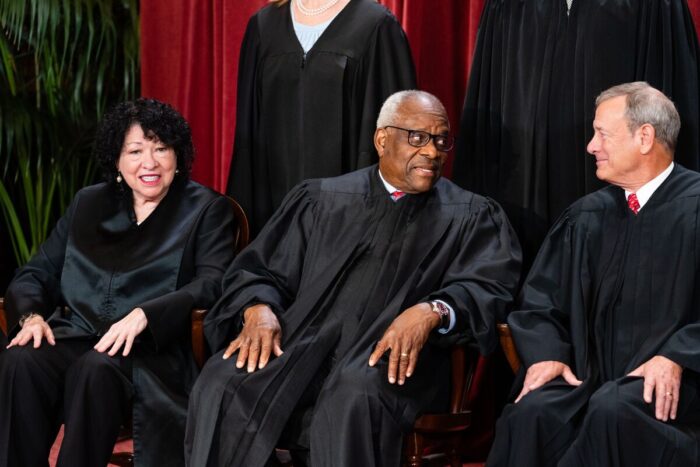
The NYT does not reveal where the memos came from, but the memos contain one potential clue. All of the memos appear to be photocopies of the original documents on letterhead with the authoring justice’s initials or signature–save one. The memo from Justice Sonia Sotomayor’s chambers is not on letterhead, has no signature or initials, and (the NYT notes) appears to have the wrong date (likely a typo–“16” instead of “6”)[Alternatively, the 16 could have been autodated when printed later on plain paper.] This suggests the source had access to a non-final or non-circulated version of the Sotomayor memo, but the NYT gives no indication of why that might be.
Let’s face it: We all know it was always going to be some staffer for a left-wing justice, right?