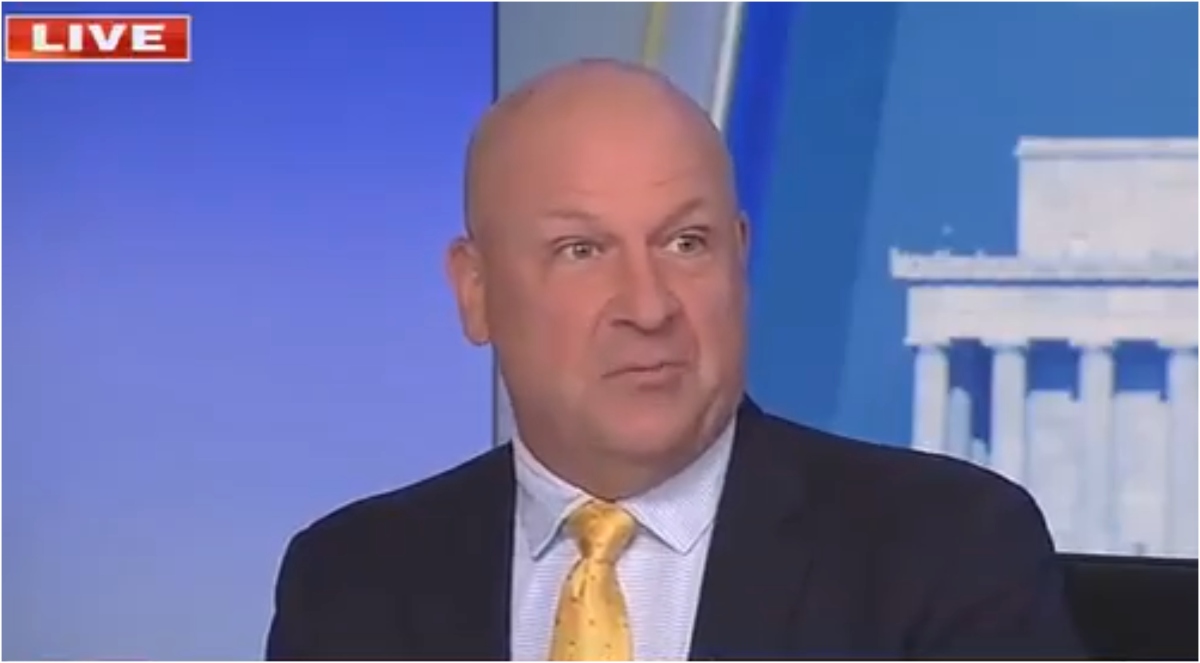
RealClearPolitics co-founder Tom Bevan says Republican turnout could become a decisive factor in several closely contested Senate races, arguing that many of the states currently attracting national attention were comfortably carried by President Donald Trump just two years ago.
During an appearance on Fox News’ “Special Report,” Bevan described the closing phase of the 2026 midterms as largely a “base election,” with Republicans and Democrats increasingly focused on mobilizing their own supporters rather than persuading undecided or moderate voters.
Bevan pointed to six Senate contests where the RealClearPolitics polling averages showed margins of less than two percentage points, illustrating how relatively small changes in turnout could alter several races.
If Republicans Turn Out, They’re Going To Win A Lot Of These Races: @TomBevanRCP
https://t.co/L9MpPFt1FM
"There are six Senate races right now under 2 points in our RCP average. Trump won five of those states, four by double digits." https://t.co/i2JkclZ3Mg
— RealClearPolitics (@RCPolitics) October 23, 2026

Trump carried five of those six states in the 2024 presidential election, according to Bevan, including four where his winning margin reached double digits. “If Republicans turn out, they’re going to win a lot of these races,” Bevan said, explaining the strategy behind Trump’s aggressive campaign schedule during the final weeks before Election Day.
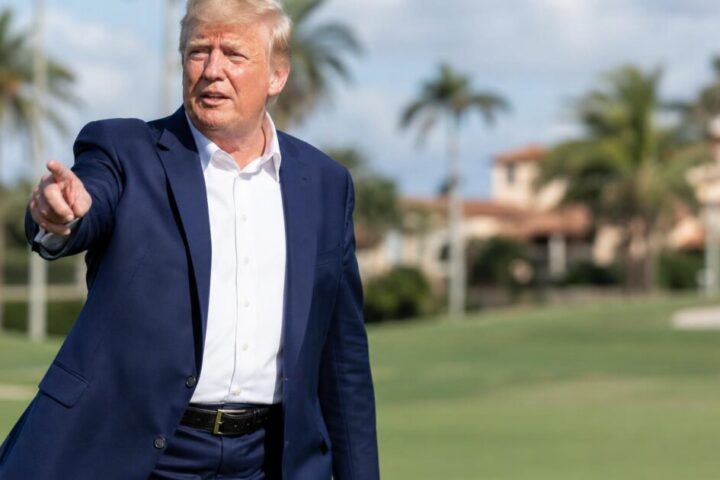
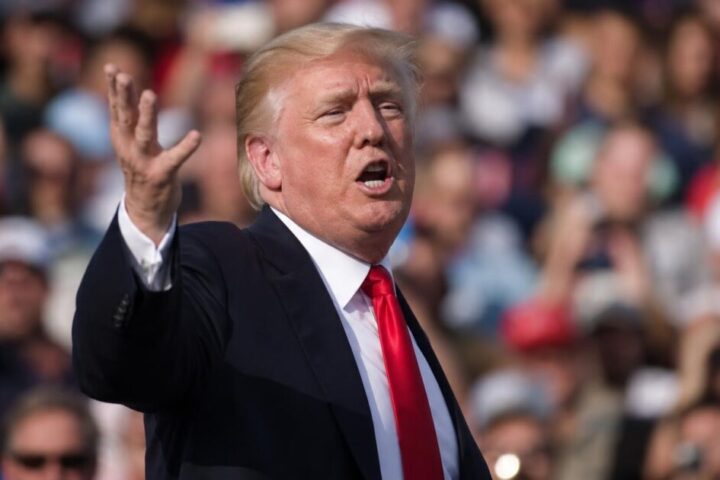
Trump has been traveling extensively through Republican-leaning states and competitive Senate battlegrounds as GOP campaigns attempt to motivate lower-propensity voters who turned out for the president in 2024 but might otherwise skip a midterm election.
Democrats are pursuing a similar strategy, according to Bevan, concentrating on activating their progressive base in states including Maine and Michigan rather than making the final weeks primarily about persuading independents.
“There is not a whole lot going on trying to play to the middle and win over the independent at this point,” Bevan said.
The turnout question has become especially important because polling throughout the year has generally shown Democrats more enthusiastic about voting than Republicans, creating uncertainty over whether less-engaged GOP voters will ultimately participate.
Bevan has argued that some earlier surveys may have overstated Democratic strength because highly motivated Democratic voters were more likely to participate in polls while less-enthusiastic Republicans remained disengaged from the political process.
He has also cautioned against assuming that previous polling errors will automatically repeat themselves, noting that midterm polling has historically produced a more mixed record than presidential-election polling.
Republican support was underestimated in several presidential elections involving Trump, including 2016, 2020 and 2024, but Bevan noted that the 2018 midterms produced a different pattern as Democrats won 40 House seats while Republicans gained two Senate seats.
That distinction is particularly important this year because the political environment in the House and Senate is not identical, with Bevan acknowledging that Republicans face significant difficulties protecting their House majority even as the Senate map remains extremely close.
The Senate picture has produced several contests separated by only one or two points in polling averages, including races in states that traditionally lean Republican or that Trump won comfortably in 2024.
Bevan said earlier this month that even a two- or three-point movement toward Republicans, whether caused by polling error or stronger GOP turnout, could change the results in numerous Senate contests.
Republicans currently hold a 53-47 Senate majority, meaning Democrats need a net gain of four seats to take outright control of the chamber.
The GOP strategy has increasingly centered on getting Trump-aligned voters back to the polls, with the president campaigning in states including Texas, Ohio, Alaska and other areas where Republicans are defending Senate seats.
Bevan said campaigns’ allocation of their two most valuable resources — time and money — can provide another indication of how strategists view the battlefield, noting that Republicans have poured resources into states where they are trying to shore up support.