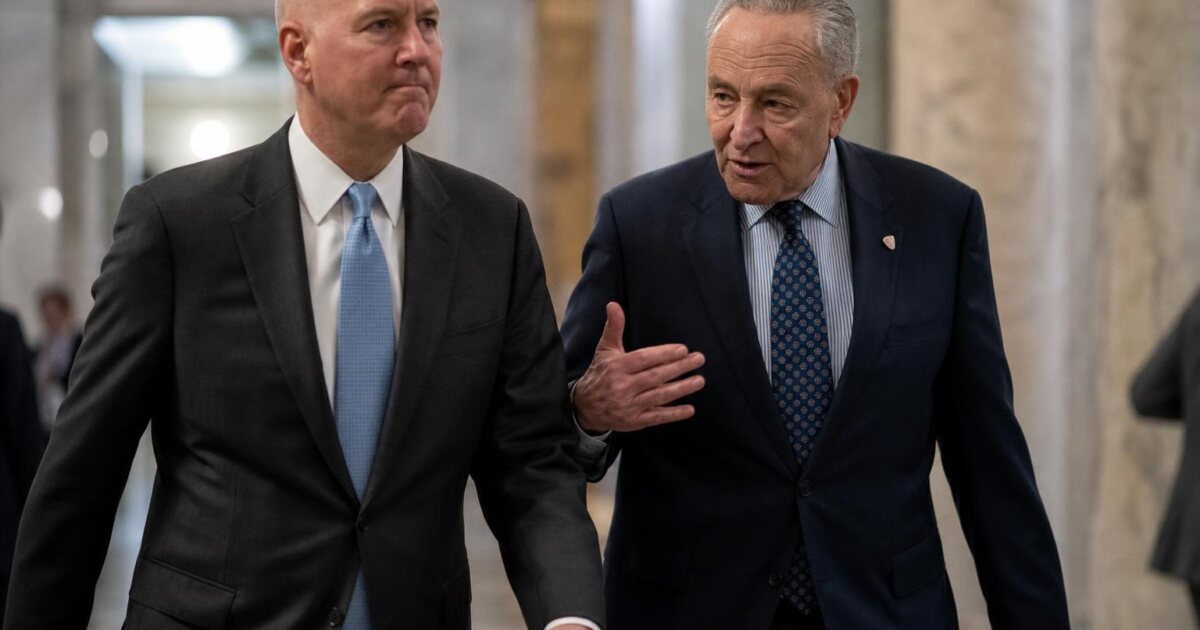
Senate Democrats on Wednesday blocked a bill that would have prohibited Congress members from buying new stocks in publicly traded companies, with every Democratic senator voting against the measure. The Stop Insider Trading Act, sponsored by Sen. Pete Ricketts, R-Neb., fell 53-47, short of the 60-vote threshold needed to advance.
Ricketts, who faces a competitive reelection race, argued the legislation was essential to restoring public trust. “Congress’s approval rating is only 15%. Why do Americans have such a lack of faith in our institutions? Well, in part, because of what has happened with trading in the Congress,” he said on the Senate floor before the vote.
What the Stop Insider Trading Act Would Have Done
The bill would have barred Congress members from purchasing new shares in publicly traded companies and required advance notice before selling existing holdings. Legislators would still have been allowed to keep stocks they already own and to buy into privately held companies. The measure passed the House in July by a vote of 232-198, with 13 Democrats joining Republicans in support.
Ricketts argued the bill would “ban congressional insider trading,” calling it “commonsense” reform that “we need to pass.” His Senate race opponent, independent Dan Osborn, has criticized Ricketts over an estimated $10 million in market gains the senator made in April 2025, when stocks rebounded after President Trump pulled back on his “Liberation Day” tariffs. You can read more about the Senate stock trading vote in the original reporting.
Chuck Schumer Calls the Bill a “Permission Slip for Corruption”
Senate Minority Leader Chuck Schumer dismissed the legislation as a hollow gesture, saying it still permitted members to own, sell and in some cases buy stocks. Only Senate Republicans would dare call a bill that permits members of Congress to continue to own, sell and in some instances buy stocks a stock-trading ban. They can’t be serious. The Republican bill is a permission slip for corruption, not a stock-trading ban,” Schumer said on the Senate floor.
Schumer pointed out that the Senate Homeland Security Committee had previously approved a stronger bipartisan bill, but said House Republicans weakened it before passage and attached a voter identification provision he described as a “poison pill.” He also criticized the bill for failing to restrict President Trump from trading stocks, noting that Trump and his money managers executed approximately 28,700 trades between January 2025 and June 2026, according to a Bloomberg analysis. “Republicans want to explicitly allow members to continue trading stocks in privately held companies, including companies the members oversee, a formula for disaster and corruption,” Schumer said.
What Comes Next for the Stock Trading Debate
With the Senate vote failing and deep disagreements remaining over the scope of any reform, the path forward on a congressional stock trading ban is unclear. Democrats insist any viable legislation must cover private company trading and include restrictions on the president, while Republicans have shown no indication they will expand the bill’s reach. The issue is likely to remain a flashpoint heading into the next election cycle, particularly for incumbents like Ricketts who face direct challenges over their own trading records.