If you’ve ever wondered whether President Trump’s “fake news” moniker to describe the bulk of the American media was really accurate, wonder no more. His former press secretary, Karoline Leavitt, just dropped some “inside baseball” info about how the media in our country operate and, more importantly, why they do what they do. Spoiler: It isn’t to ‘keep Americans informed.’
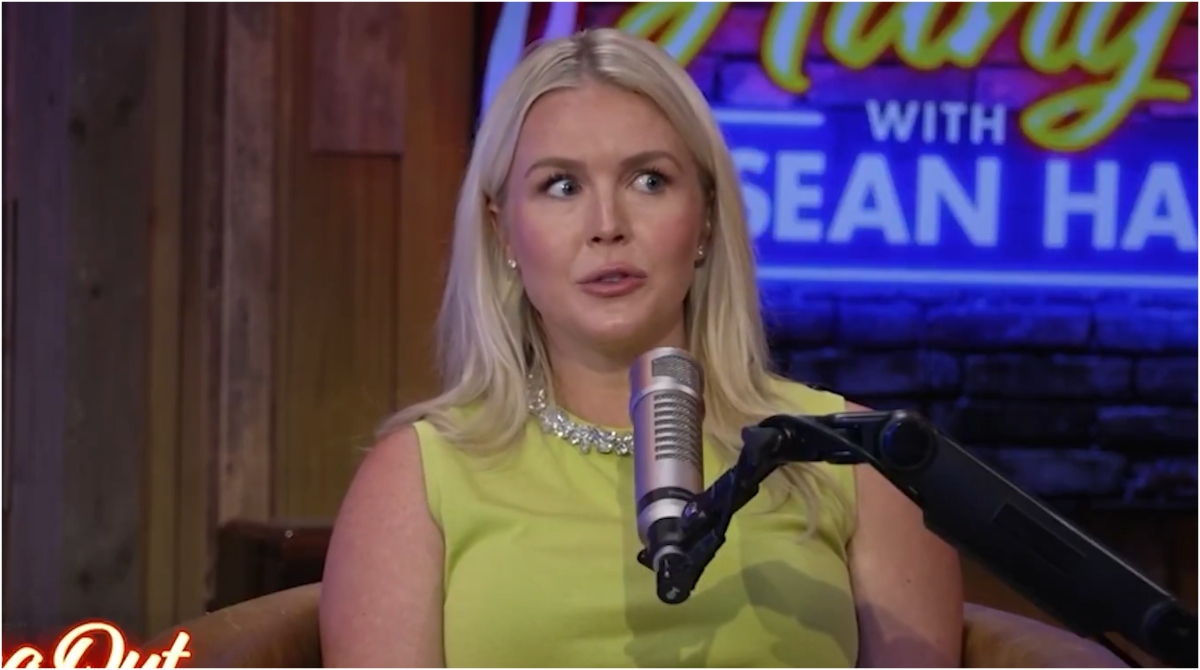
Leavitt told Sean Hannity this week that White House reporters have come to her privately, after the cameras were off, to apologize. Not for a misunderstanding. For the BS ‘gotcha’ questions they were asking — which they conceded were unfair, and which they described as performative. That’s the story, and it’s worse for the press than the people applauding it seem to realize.
MUST WATCH: @karolineleavitt explains how the Fake News really works behind the scenes — and how they justify their endless stream of lies.
"They just seek to get a bad narrative, and they'll find anyone who helps them push that narrative." pic.twitter.com/EUdg0qfdVR
— Rapid Response 47 (@RapidResponse47) September 23, 2026
Karoline Leavitt is revealing what White House reporters told her once the cameras stopped rolling.
The former press secretary says journalists privately apologized for asking “unfair” questions and admitted some of their briefing room confrontations were “performative.” pic.twitter.com/k1ODQHIvos
— Fox News (@FoxNews) September 23, 2026
Consider what an apology like that actually concedes. It isn’t a claim of bias, which journalists can always dismiss as a matter of perspective. It’s a claim of deliberate bias, deliberate obfuscation, deliberate attempts not to inform the American people but to push pre-determined anti-Trump narratives. The reporters knew the questions were unfair when they asked them. But they asked them anyway, on camera, and then sought out the press secretary afterward to explain that they hadn’t really meant it. The performance was the product. The private conversation was the apology for the product.
Leavitt’s explanation of why is the part that should end the debate about whether this is systemic. She said the reporters aren’t in control of their own livelihoods — that they’re dictated to by editors and executives at these companies. The pressure doesn’t originate in the briefing room. It comes from the floor above, where somebody decides what narrative needs to be created and then pushed, and dispatches a correspondent to go generate it.
That reframes a decade of argument. Conservatives have spent years describing media bias as a kind of cultural drift: newsrooms staffed almost entirely by people who share a left-wing worldview, producing coverage that reflects it. Leavitt is describing something more deliberate. Not drift, but purposeful deceit. The correspondent in the fourth row who can be personally decent in a hallway and contemptuous on camera isn’t confused. He’s executing a plan of attack. He’s not seeking information.
And it explains the shape of the coverage. If your incentive is a viral confrontation, you don’t want an answer — an answer ends the segment. You want the exchange. You want the hostile tone and the follow-up and the anchor cutting in afterward to note that the press secretary dodged. Once that’s the goal, accuracy becomes incidental and the question becomes a prop.
This also punctures the loftiest claim the industry makes about itself. The briefing room, we are told endlessly, is where the powerful are held accountable. It isn’t, not anymore. Accountability requires truly seeking information to share with the public – you know, doing what reporters are supposed to be doing. But instead, the lefty outlets want sound bites and theater.
Which brings us to the current fight over access. CNN, Politico, and MS NOW are in federal court arguing that a seat in the briefing room is a constitutional entitlement essential to informing the public. The press secretary who stood at that podium says their reporters privately conceded the whole exercise was theater.
They can’t have it both ways. Either the briefing room is a sacred institution of American self-government, or it’s a soundstage where people perform for their bosses and apologize afterward. Their own reporters picked an answer. They just did it off the record.