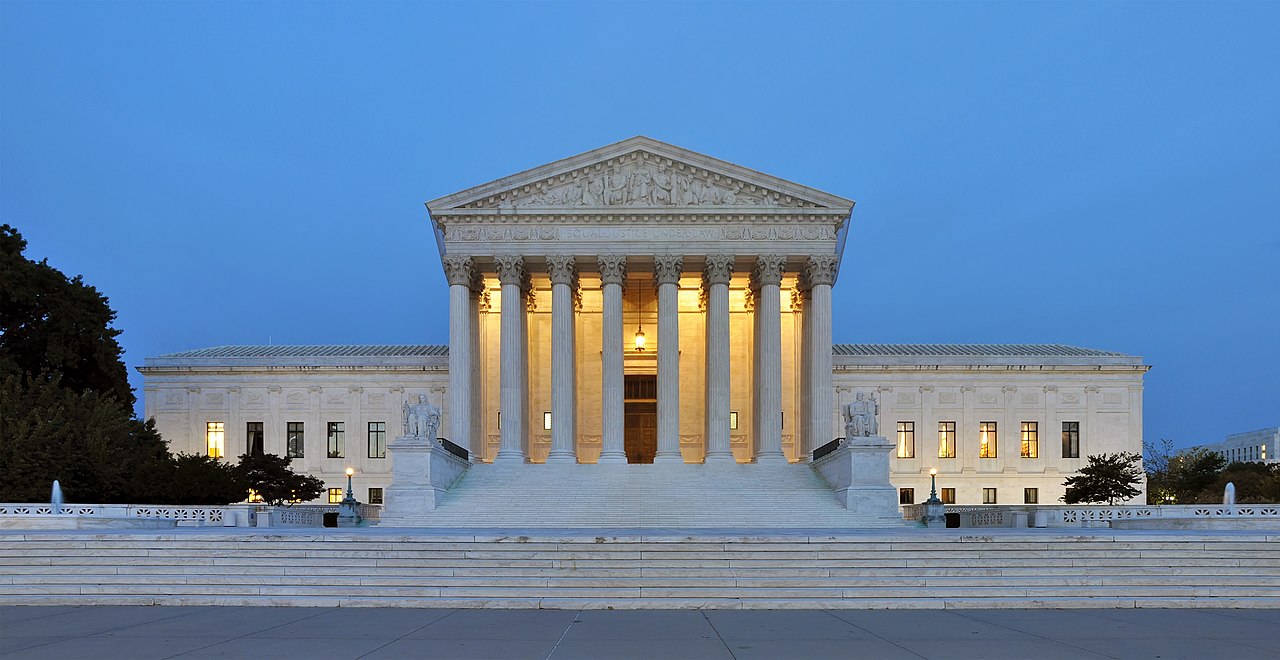
The D.C. Circuit Court of Appeals issued a stay Friday that should send shockwaves through every blue state that has been running its mail-in ballot system like an unaccountable black box. The USPS’s new election-mail rule — requiring states to submit voter rolls and serialized ballot barcodes before federal ballots are mailed — is moving forward while the underlying lawsuit proceeds. The NAACP sued to stop it. A three-judge panel looked at the legal standard and cleared the rule to proceed anyway.
This is how election integrity is supposed to work. And for California, the implications are enormous.
California mails ballots to nearly every registered voter automatically. The state has spent years resisting any meaningful external verification of its voter rolls — the same voter rolls that Trump’s Thursday night address identified as containing hundreds of thousands of potentially ineligible registrations. The same voter rolls that California Democrats have been fighting to keep away from federal scrutiny at every turn, through litigation, sanctuary policies, and stonewalling that would make the most brazen obstruction look subtle by comparison.
The USPS rule changes the equation. If states want the Postal Service to mail federal election ballots, they have to provide the voter data that allows those ballots to be tracked and verified. Serialized barcodes. Voter lists. Basic accountability for what is sent out and what comes back. The kind of chain-of-custody documentation that any honest election administration system should have had from the beginning.
California has refused to provide its voter data to federal authorities. That refusal is now going to cost the state something concrete — specifically, its ability to operate its mass mail-in ballot system without federal oversight requirements it has spent years avoiding.
First Assistant U.S. Attorney Bill Essayli put it plainly: “This ruling is a win for election integrity and would have significant implications for states like California that refuse to submit their voter rolls to verify compliance with federal election laws.”
He’s right. And the significance goes beyond California. Every state that has been treating its voter rolls as a protected internal document immune from federal scrutiny is now on notice that the price of federal mail-ballot infrastructure is federal mail-ballot accountability. You can’t use the Postal Service as your ballot delivery mechanism and simultaneously refuse to give the Postal Service the data it needs to verify what it’s delivering.
The NAACP will keep litigating. The underlying case isn’t resolved. What Friday’s ruling establishes is that the Trump administration’s election integrity framework has a solid enough legal foundation to survive a motion for preliminary injunction — which means it survives long enough to affect November.
This ruling, combined with Trump’s Thursday night declassification, the SAVE America Act push in Congress, and the DOJ’s crackdown on noncitizen voter registrations, is starting to look less like a collection of separate initiatives and more like a coordinated, comprehensive election security strategy actually being executed.
It’s about time. November is four months away.