This is what a broken military culture looks like. And this is what fixing it looks like.
On July 4th, four AH-64 Apache gunships from South Carolina’s Army National Guard flew a spectacular patriotic flyover along the entire South Carolina coastline as part of the state’s 250th anniversary celebration. The crowd went wild. The videos went viral. Americans watching from the beach cheered their lungs out at the sight of the world’s most capable attack helicopters honoring the nation’s birthday.
The moment the pilots landed back at McEntire Joint National Guard Base, they were suspended.
Not for a safety violation that caused harm. Not for a genuine breach of airspace rules that endangered anyone. For a flyover that made Americans feel proud — and that someone in the chain of command apparently decided was worth torpedoing eight military careers over because strangers on social media were unhappy about it.
This is the Lloyd Austin military in miniature. A command structure so paralyzed by fear of criticism, so conditioned to treat social media outrage as a threat requiring immediate response, so thoroughly stripped of its warfighting instincts by four years of DEI-driven leadership that it reflexively punishes warriors for acting like warriors. No inquiry. No investigation. Just a public suspension announcement designed to appease the worst people on the internet as fast as possible.
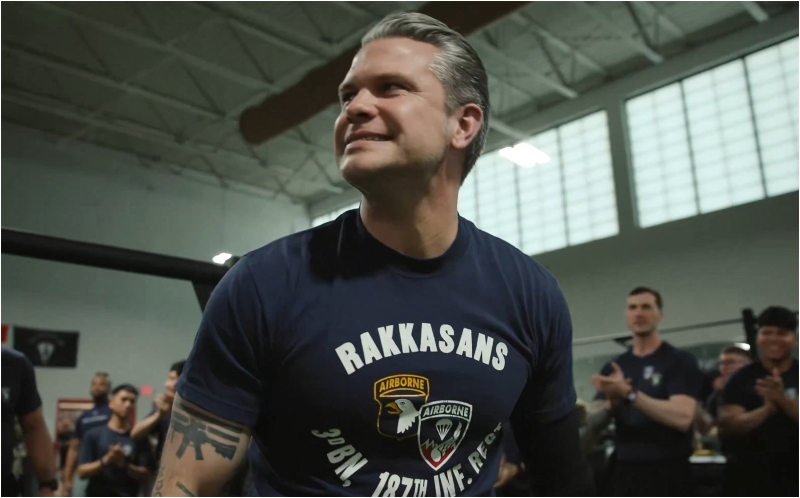
Pete Hegseth wasn’t having it. He stepped in, halted the suspensions, and sent a message that the era of kneejerk punishment-by-Twitter is over. South Carolina Governor Henry McMaster backed him up immediately and correctly: men trusted to fly the world’s most sophisticated combat aircraft in actual combat zones can be trusted to navigate the coast of South Carolina on a holiday.
The underlying logic of the original suspension is worth dismantling completely because it represents everything wrong with how the military operated under the previous administration. A military that punishes its best people for high-spirited patriotism is a military training itself to fail. A command culture that fears social media criticism more than it fears battlefield defeat is a command culture that will produce battlefield defeat. You cannot build warriors by treating warrior behavior as a liability.
Herman Melville understood this tension. So did every military leader who ever had to balance discipline with the aggressive spirit that makes combat units effective. Discipline exists to maintain good order and fighting effectiveness — not to protect commanders from uncomfortable tweets. When those two purposes collide, a Secretary of Defense worth the title knows which one wins.
Hegseth knew. He acted. The pilots are back.
The message sent to every warfighter in the American military is exactly the right one: do your job with pride, fly with aggression, act like the warriors you are — and the civilian leadership has your back.
That’s not a small thing. After four years of the alternative, it’s everything.