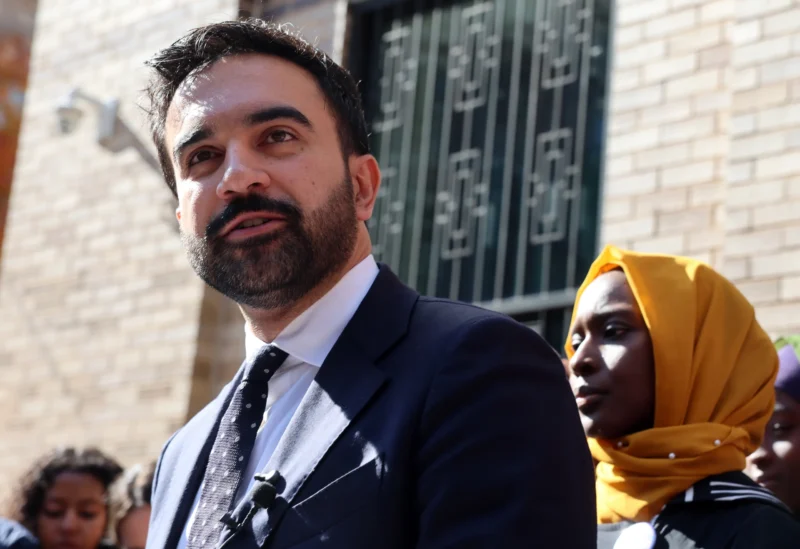
Mayor Zohran Mamdani promised New York City renters a rent freeze during his campaign. He then appointed six of the seven members of the board responsible for setting rent increases. That board voted 7-1 to freeze rents. One member resigned in protest beforehand, stating publicly that her colleagues had already decided the outcome before reviewing a single data point.
A group of landlords just sued to overturn it. They’re calling it what it is: a sham.
The New York City Rent Guidelines Board is supposed to function as an independent fact-finding body — reviewing economic conditions in the residential real estate industry and making data-driven decisions about whether rents should increase, decrease, or hold. The lawsuit alleges the board did none of that. It cherry-picked data, understated operating costs, overstated landlord revenues, and delivered the predetermined outcome Mamdani needed before the ink was dry on his inauguration speech.
The resigning board member said it plainly: the body had “ceased to function as a fact-finding body.” Her former colleagues intended to freeze rent regardless of what the evidence showed. She refused to participate and quit. The remaining six — all Mamdani appointees — proceeded without her and delivered exactly what their boss wanted.
Randy Mastro, the attorney representing the landlords, captured the essential corruption of the process: “Zohran Mamdani promised to deliver a rent freeze during his campaign and then he went to extraordinary lengths as a new mayor to guarantee it. This is a perversion of the process.”
That’s not hyperbole. That’s a description of how captured regulatory bodies actually work — and why their independence matters. The Rent Guidelines Board exists specifically because the city recognized that rent decisions shouldn’t be made by politicians accountable to landlords who invest the money into rental properties and have all the costs. Strip away the independence, pack the board with mayoral appointees, and you don’t have a regulatory body anymore. You have a campaign promise delivery mechanism with extra steps.
Here’s the economic reality that Mamdani’s ideology prevents him from acknowledging: rent freezes don’t make housing more affordable. They make it scarcer. Swedish economist Assar Lindbeck — about as far from a right-wing think tank as you can get — said in 1971 that rent control is the most efficient technique known to destroy a city short of bombing. The mechanism is straightforward: if landlords can’t raise rents to cover rising costs, they stop maintaining buildings, stop building new ones, and eventually exit the market entirely. Supply falls. Quality deteriorates. The tenants Mamdani claims to champion end up worse off.
This isn’t a conservative talking point. This is the near-unanimous consensus of professional economists across the political spectrum. Rent control polls well. It works badly. These facts have coexisted since the 1970s without changing either.
Mamdani promised a rent freeze and rigged the process to deliver it. New York City will pay the price in housing supply, building quality, and landlord flight for years to come.
The lawsuit is a welcome start. Reality will finish the argument.