
President Trump seems to be on a roll. In January, he successfully ousted Nicolas Maduro in Venezuela during a significant raid in Caracas. He has also made moves against Iran’s leaders, targeting key military and political figures, including Supreme Leader Ayatollah Ali Khamenei. So, who might be next on his list? Trump has pointed to Cuba, and reports from The Atlantic suggest that he views the island nation as a strategic opportunity to showcase American power:
Trump: “Maybe we’ll have a friendly takeover of Cuba. We could very well end up having a friendly takeover of Cuba.” pic.twitter.com/YCI8WcxzBG
— unusual_whales (@unusual_whales) March 2, 2026
In the basement Situation Room at the White House and a gilded secure room at Mar-a-Lago are whispers of a Trumpian grand plan that many in Washington and in capitals around the world once considered unthinkable: the toppling of not one, not two, but three autocracies that have tormented generations of American presidents. As U.S. and Israeli missiles fell on Iran this weekend, just weeks after Donald Trump ordered a lightning strike that put Venezuela’s president in a New York City courtroom, Trump is already eyeing his next target: Cuba.
“The president is feeling like, ‘I’m on a roll,’ like, ‘This is working,’” one administration official told me.
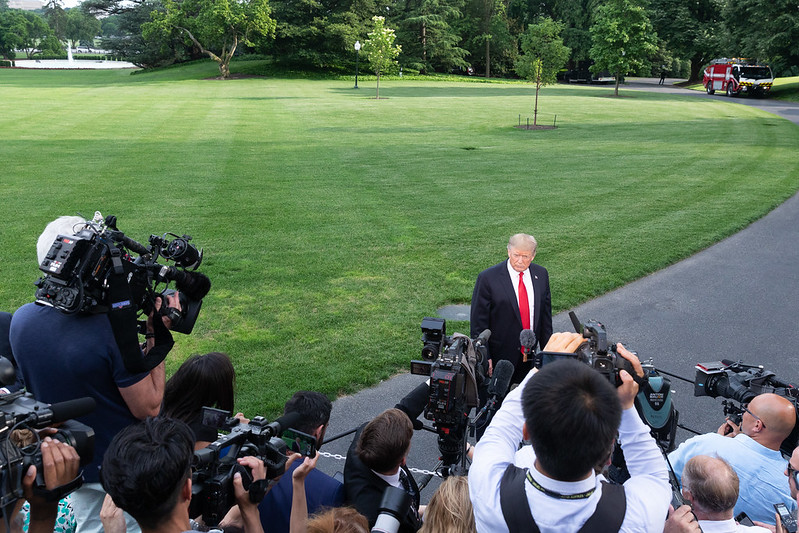
The president has been open about what he would like to see in Cuba, floating the possibility while speaking with reporters at the White House on Friday of a “friendly takeover” of the island of 11 million people. He said that Secretary of State Marco Rubio is in discussions with Cuban leaders at a “very high level” to potentially “make a deal.” Rubio also is in contact through unofficial channels with Raúl Guillermo Rodriguez Castro, the grandson of former President Raúl Castro, Fidel’s brother and successor, according to Axios. Trump has repeatedly emphasized Cuba’s dire economic state, telling reporters last month that “there’s no oil, there’s no money, there’s no anything.” He has also argued that the post-Castro Cuban regime is so fundamentally weak that its own rot would inevitably do the work of an invading army.
But the idea is fraught with risk. A Cuba in turmoil could cause an influx of refugees to the U.S. at a time when the administration is trying to reverse immigration flows. A military campaign might set the stage for a revolt, but there is little organized opposition in the country after almost seven decades of repressive rule. That could make a negotiated settlement that leaves the regime in place but puts America in charge (à la Venezuela) a tempting option. But such an outcome would fall far short of turning Cuba into the world’s newest democracy—a goal of many of Trump’s South Florida supporters and a move that would allow the president to claim that he hadn’t just changed leaders but changed the fundamental character of the country.
It’s worth noting that The Atlantic, known for its strong anti-Trump stance and for pushing the fake ‘liars and suckers’ narrative during the 2020 election, is behind this story. Could there be some truth to it? Absolutely, but let’s keep an eye on how things develop first.
Additionally, let’s focus on seeing through our objectives in Iran.


