The Justice Department has sent election officials in all 50 states letters reminding them that federal law requires preserving ballots and election records after Tuesday’s midterms.
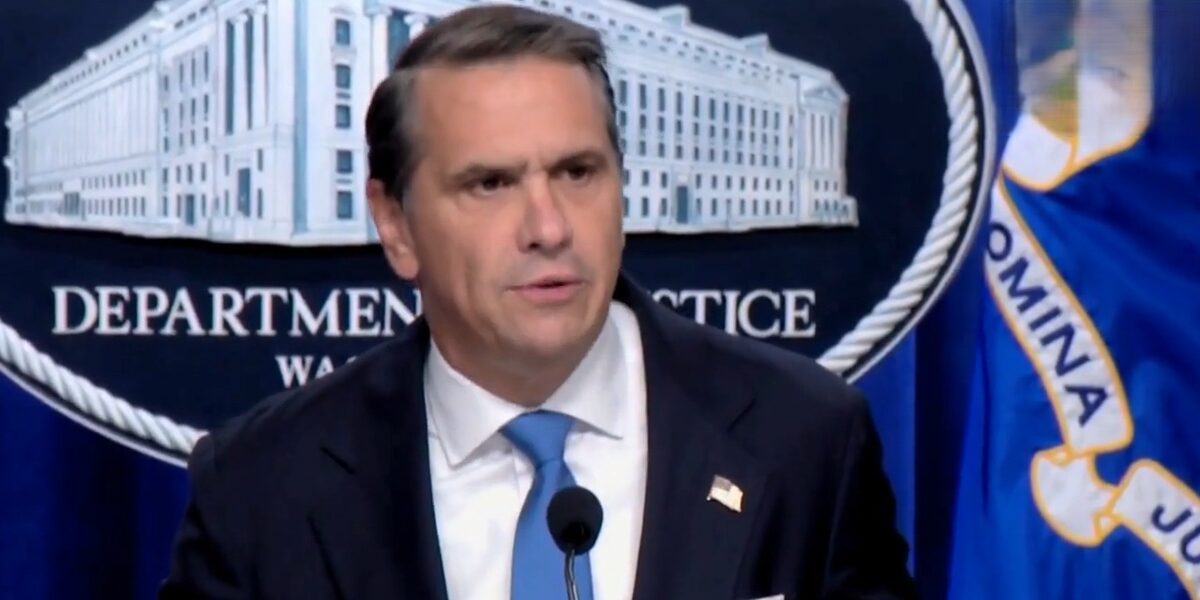
The letters, dated Oct. 29, were signed by Acting Deputy Attorney General R. Trent McCotter and distributed just days before the Nov. 3 elections.
“Election Day is fast approaching,” McCotter wrote while telling officials to protect election integrity and comply with federal recordkeeping requirements. The nationwide notice invokes a federal statute requiring election officials to retain certain records for 22 months following elections involving federal offices.
That requirement comes from 52 U.S.C. § 20701, a provision enacted as part of the Civil Rights Act of 1960. The law covers records involving registration, applications and other acts required for voting in elections for president, vice president, Congress and other specified federal offices.

DOJ’s letters specifically say officials must preserve completed voter-registration forms, pollbooks, precinct sign-in sheets, identification records, mail-ballot requests and envelopes.
The department also says the preservation requirement applies to ballots themselves, including those submitted by mail, through drop boxes or at polling places. Federal law provides potential criminal penalties when an election officer or records custodian willfully violates the preservation requirement.
“It is a crime to willfully fail to comply with Section 20701,” the Justice Department’s letter states. A willful violation can result in a fine of up to $1,000, imprisonment for as long as one year, or both.
Federal law separately prohibits election officials from willfully stealing, destroying, concealing, mutilating or altering records covered by the statute. The department confirmed in a federal court filing Friday that the preservation notices had been sent “to all states” the previous day.
Copies obtained from Colorado, Michigan, Minnesota and Wisconsin were virtually identical, according to Democracy Docket and Votebeat. The letters do not create a new federal requirement but emphasize a longstanding preservation law that has applied to election officials for decades.
Their timing, however, comes amid an unusually aggressive Justice Department effort to scrutinize voter rolls, suspected noncitizen registrations and election administration across multiple states. DOJ has previously sought statewide voter-registration records while arguing that federal agencies need the information to enforce election laws and investigate suspected unlawful registrations.
The department sent a separate nationwide warning in July reminding election officials about potential criminal liability connected to knowingly allowing noncitizens to vote. Noncitizen voting in federal elections is already illegal, while preliminary database matches do not by themselves establish that an individual registered or voted unlawfully.
The latest preservation letters are legally distinct from other recent DOJ demands involving specific voters and ballots, according to the department. Those separate actions have already generated significant litigation between the Trump administration and state election authorities.