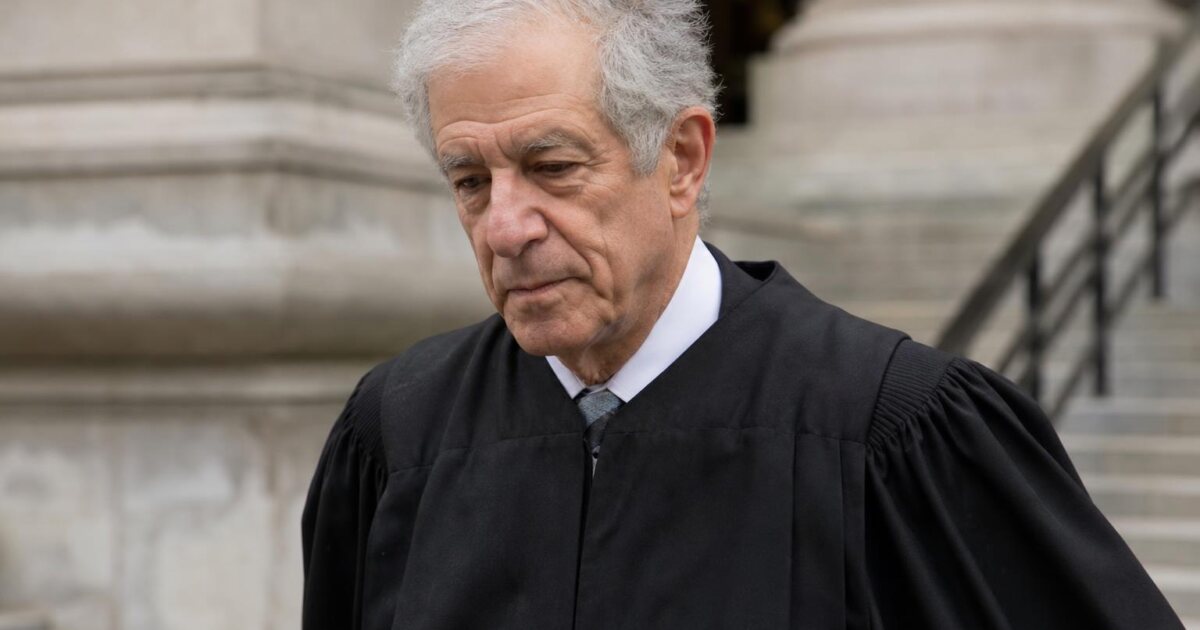
The U.S. Supreme Court has refused to hear the appeal of former Philadelphia Judge Mark B. Cohen, leaving his suspension intact after Pennsylvania courts found he spent years using a public Facebook page to promote Democratic politicians and liberal policies while sitting on the bench.
The justices denied Cohen’s petition without comment. That denial doesn’t amount to a ruling on the merits, but it does mean the Pennsylvania Supreme Court’s decision against Cohen stands, along with all the consequences that come with it, including the loss of his judicial pension and a separate pension from more than four decades of prior public service as a state lawmaker.
Cohen served 42 years as a Democratic member of the Pennsylvania House before joining the Philadelphia Court of Common Pleas in 2018. After taking the bench, he kept a public Facebook page that identified him as a judge and showed him in his robes. Judicial authorities reviewed more than 60 posts. He praised President Joe Biden, backed Democratic policy priorities, promoted Gov. Josh Shapiro and Philadelphia District Attorney Larry Krasner, pushed for a higher minimum wage and abortion rights, and highlighted his “F” rating from the National Rifle Association.
Judicial officials warned him about the appearance of partisan advocacy. He kept posting anyway. the Pennsylvania judicial conduct case details how the Judicial Conduct Board described the posts as “partisan cheerleading” and defended the punishment as a routine application of rules judges across the country are expected to follow.
Cohen filed his petition with the Supreme Court in April after losing before Pennsylvania’s highest court. The justices asked for a response from the state’s Judicial Conduct Board, received briefing from both sides, and then denied review after considering the case at conference.
His lawyers argued that any restrictions on his speech should face the strictest level of First Amendment scrutiny. The Pennsylvania Supreme Court rejected that argument, instead weighing his interest in public advocacy against the judiciary’s need to appear fair and politically neutral. The court concluded that Pennsylvania’s interest in preserving confidence in an independent judiciary outweighed Cohen’s interest in publicly championing the Democratic Party while serving as a judge.
Cohen had hoped the Supreme Court would turn his case into a broad First Amendment test. The justices declined to do that. The Pennsylvania ruling stays on the books, and Cohen has no further appeals available on the federal constitutional question. There’s no indication of any pending state-level challenge that could change his situation.
What do you think about judges posting political opinions on social media? Share your thoughts in the comments below or on social media.