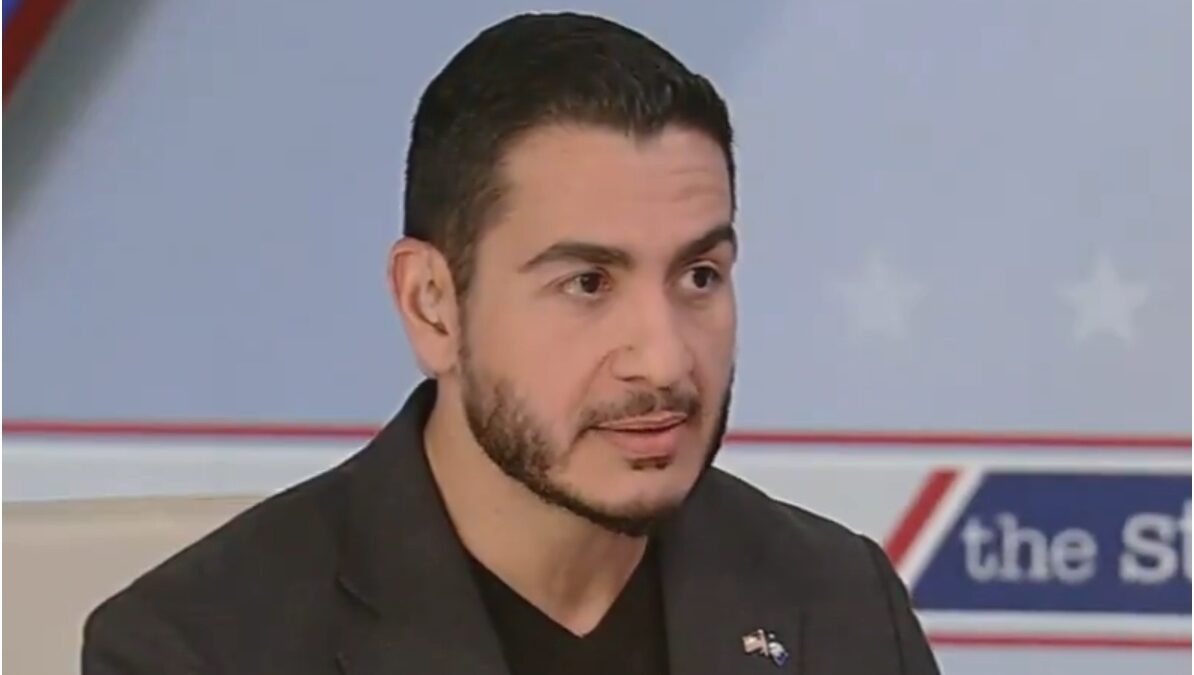
Abdul El-Sayed is predicting a 7-point win in Michigan’s U.S. Senate race, but he still doesn’t have the support of the Democratic mayor of his own party’s state capital. With about a month left before Election Day, Lansing Mayor Andy Schor says El-Sayed has never reached out to him.
Schor told CNN he won’t back El-Sayed without sitting down with him first. “If he doesn’t need me, he doesn’t need me,” Schor said. “And that’s their strategic decision.” Schor had supported Rep. Haley Stevens in the Democratic primary, and he said his Jewish heritage shapes his concerns about El-Sayed’s positions on Israel. El-Sayed has called Israel’s war in Gaza a genocide and declined to say Israel should exist as a Jewish state.
Schor ruled out voting for Republican nominee Mike Rogers, but his refusal to commit to El-Sayed exposes real friction inside the Democratic coalition, just ahead of Thursday night’s only Senate debate. You can follow the Abdul El-Sayed Michigan Senate race through the Michigan Senate race coverage for the latest developments.
El-Sayed won the Democratic primary by just 1 percentage point over Stevens, far below the double-digit margin he had projected. He told CNN last Friday he still expects a 7-point general election victory, but some prominent Michigan Democrats are far less confident. Party figures have privately told CNN they worry his approach could cost Democrats the seat, with parts of the coalition Stevens carried still not on board.
The complaints about outreach go well beyond Schor. Black and Jewish leaders told CNN their communities feel neglected by the campaign. Multiple people described conversations where El-Sayed suggested he could make up for lost support in their communities by gaining votes elsewhere. A Black leader in Detroit, speaking anonymously, said his exchange with El-Sayed left him feeling “they believe they don’t necessarily need to work as hard to get the Black vote.” That leader said El-Sayed promised him an invitation to a roundtable that never came. He later met with aides to Rogers and texted El-Sayed directly. “I felt so bad, I texted him,” the leader said. “But I didn’t hear back. So, f**k him.”
Rep. Debbie Dingell, who stayed neutral during the primary and has since become a prominent El-Sayed supporter, pushed the campaign to leave no voter behind. “This election is not over until Election Day,” Dingell said. “We’ve got to work every single demographic and not take anything for granted.”
El-Sayed pushed back when CNN asked him about communities still questioning his campaign. “Every community that I’ve met with, I’ve said, ‘Leading for and with your community is a concern and a key consideration for me,'” he said. “I could spend all of my time with any one community and it probably wouldn’t be enough. And that’s perfectly fair. People deserve a US senator who’s going to show up and listen, but I’ve showed up and listened.” Whether that answer satisfies skeptical voters, and whether El-Sayed and Mayor Schor ever sit down together, will likely shape how unified Democrats are heading into November. Share your thoughts on this race in the comments or on social media.