Every Senate Democrat voted to block a House-passed bill that combined two broadly popular reforms: a photo identification requirement for federal elections and a ban on individual stock trading by members of Congress, their spouses and dependent children. The final tally was 53-47 along strict party lines, seven votes short of the 60 needed to move the legislation forward.
Every Republican supported advancing the bill. Thirteen House Democrats had already backed it when the chamber passed the measure, making the Senate outcome a deliberate choice rather than an inevitability.
It seems like Trump was right about the Democrats all along.
What the Bill Would Have Done
The stock-trading provision would have prohibited lawmakers and their immediate family members from buying or selling shares in individual publicly traded companies. Supporters argued the rule was necessary because members of Congress receive classified briefings, shape federal regulations and hear from corporate executives well before that information reaches ordinary investors.
The election provision would have imposed a photo identification requirement for voting in federal elections. According to Fox News, 36 states already require some form of identification at the polls, with 23 of those specifically requiring photo ID. As part of the Senate vote on the SAVE America Act, critics noted that nine states accepting other documents are represented by Democratic senators.
Tim Kaine’s Argument and Its Limits
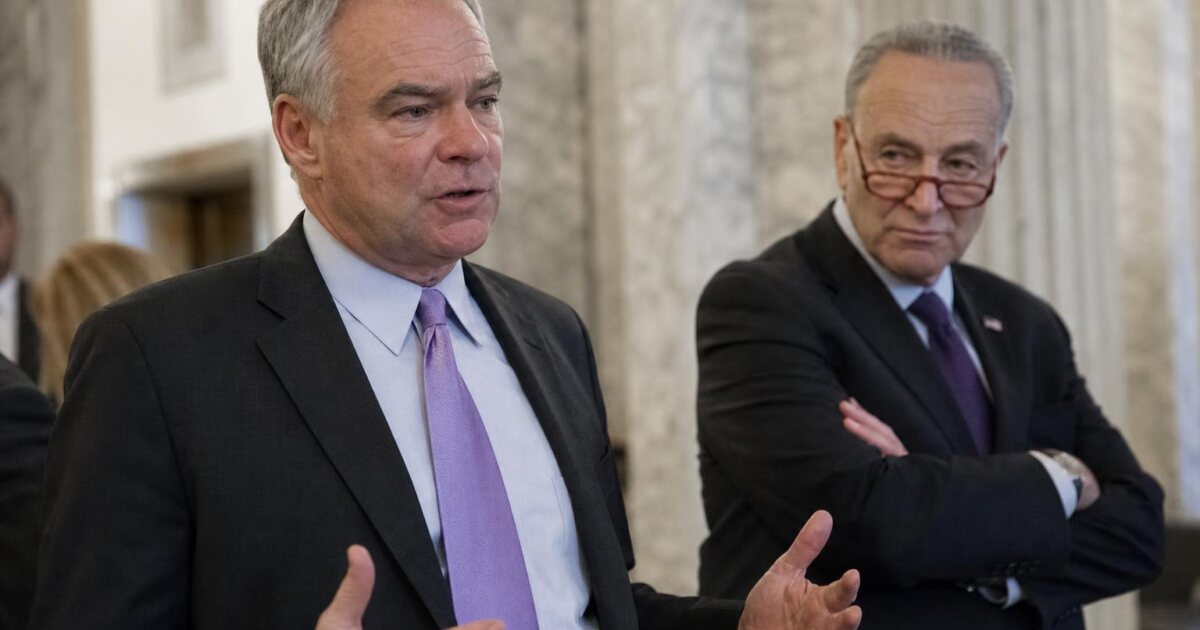
Virginia Sen. Tim Kaine acknowledged during debate that his own state already has a voter ID law and that Virginians support it. His objection was that Congress should not impose a single federal standard on states that have already crafted their own rules.
That argument drew immediate pushback from Republicans. If photo identification is a sound safeguard in Virginia, the reasoning goes, it does not become an obstacle to voting simply because a neighboring state has chosen a different approach. Senate Minority Leader Chuck Schumer has previously labeled the bill “Jim Crow 2.0,” though Democrats have also said in other contexts that they support voter ID in principle.
What Comes Next for Both Parties
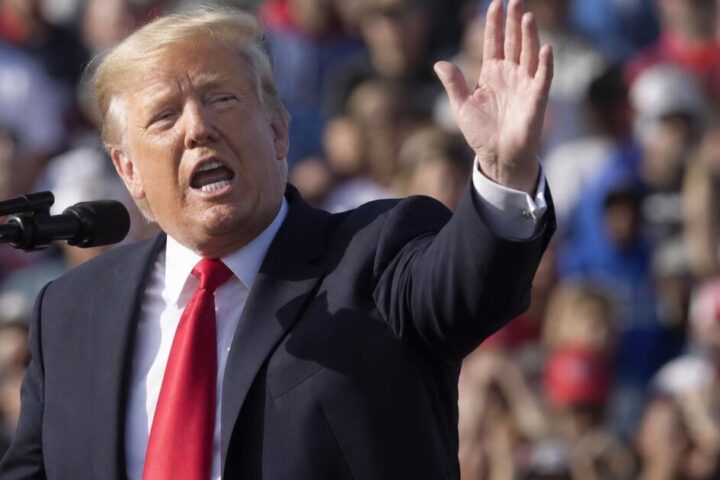
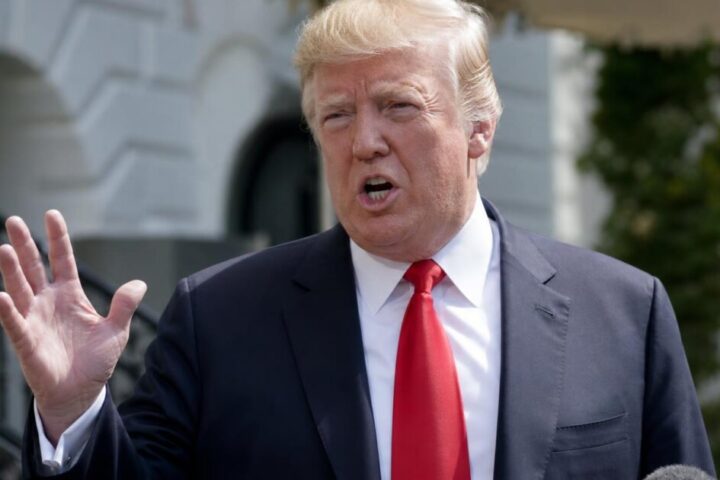
With midterm elections approaching, Republicans now have a concrete vote to point to on two issues that poll well with the public: election integrity and congressional self-dealing. President Trump raised the stock-trading question directly in his State of the Union address, arguing that lawmakers should not profit from information unavailable to ordinary Americans.
Democrats may argue that the two provisions were strategically paired to force a difficult vote, or that they prefer separate legislation on each issue. What the record shows is that when both reforms reached the Senate floor together, the entire Democratic caucus voted no. Republicans are expected to keep that vote in front of voters through the fall campaign season.