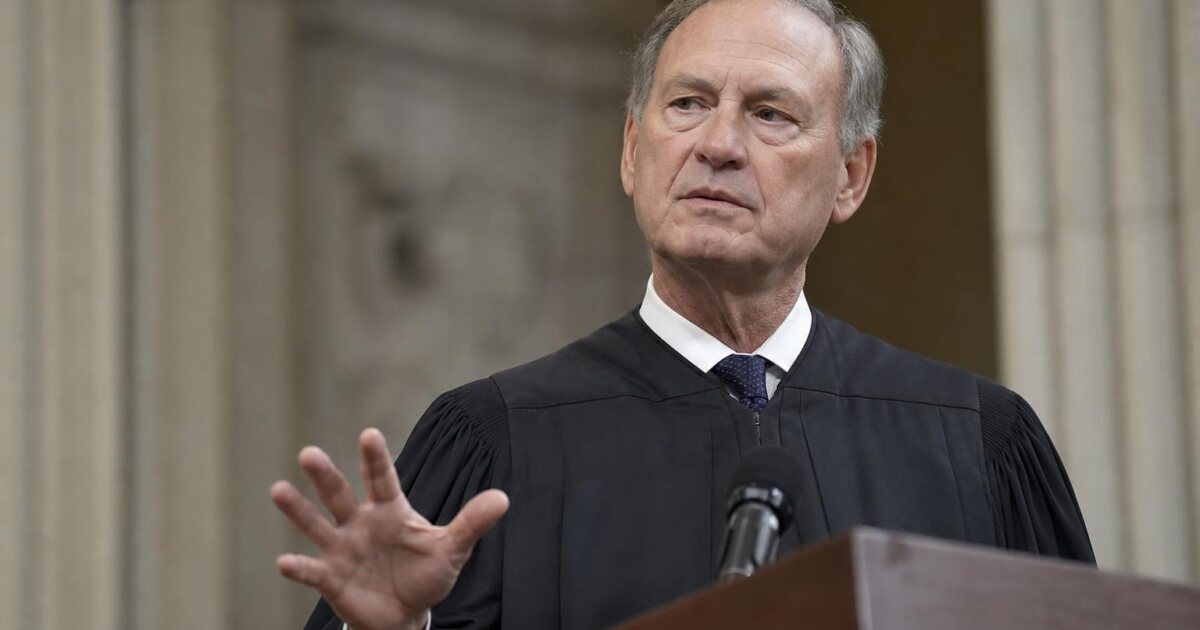
Samuel Alito told Shannon Bream this week that he has a pretty good idea who leaked his draft opinion in Dobbs. He won’t say the name, because the evidence available falls short of what it would take for him or the Court to make that accusation publicly.
That’s the correct instinct from a judge — you don’t convict on a hunch. It’s also an indictment of everyone who was supposed to turn that hunch into proof and didn’t.
Remember what the leak actually was. In May 2022, someone inside the most leak-proof institution in American government handed a draft majority opinion to Politico. Alito called it a grave breach of the trust everyone in that building had operated under until that moment, and the description is exact. The Court functions because nine justices can circulate drafts, change their minds, argue in writing, and revise — all in confidence. Destroy that and you don’t get transparency. You get justices who stop putting things in writing.
And the consequences weren’t abstract. The leak gave activists a target list and a timeline. Protesters appeared outside justices’ homes, which is a federal crime under a statute the Justice Department declined to enforce. A man flew across the country with a weapon and showed up near Brett Kavanaugh’s house intending to kill him. He pleaded guilty. The leak made all of that possible by telling the country exactly who had voted which way, weeks before the opinion was final.
Now consider how the investigation went. The Marshal of the Court interviewed roughly 100 employees. Clerks and staff signed sworn affidavits. The justices were spoken with, but were not asked to sign affidavits of their own. The final report named nobody, and the matter was effectively closed.
Imagine any other federal investigation conducted that way. Imagine telling a grand jury that you questioned the janitorial staff thoroughly and had a friendly chat with the executives. Mike Lee put it plainly this week: the Dobbs leak was never adequately investigated, and it should be.
He’s right, and four years is not too late. The FBI has tools the Court’s Marshal never had — device forensics, phone records, the ability to put a witness under oath with consequences attached. Somebody knows. Somebody told a reporter. Those facts don’t decay.
As for the retirement chatter that dominated coverage this week: Alito told CBS he weighed whether he could still make a valuable contribution, decided he could, and expects to revisit the question annually. That is what every justice in their seventies does every year. NPR already embarrassed itself announcing his departure prematurely once.
The story isn’t when Alito leaves. It’s that someone who broke the Court and helped put a target on his colleagues’ backs is still out there, probably still employed in Washington, and has never been named.
A justice says he has a good idea who. Let’s find out whether he’s right.