Iranian President Masoud Pezeshkian stood before the United Nations General Assembly on Wednesday dressed in mourner’s black and delivered a sharp rebuke of the United States, warning that American threats would only harden his country’s resistance. His speech came one day after President Donald Trump told world leaders he might “annihilate” the Islamic Republic.
Pezeshkian reiterated Tehran’s longstanding claim that it seeks a civilian nuclear program, not nuclear weapons, a position Trump has publicly rejected and which the White House cited as part of the rationale for launching a joint U.S.-Israeli military campaign against Iran seven months ago.
Pezeshkian’s Warning to Trump at the United Nations
The Iranian president was direct in addressing Trump from the General Assembly floor. “Trump must know that the resistance of the Iranian people will only increase in the face of sanctions, increased pressure, increased bullying,” Pezeshkian said. “We will never bow our head or bend at the knee.”
At several points during the speech, Pezeshkian held up photographs of Iranians killed in U.S.-Israeli strikes, including a picture of Iran’s then-Supreme Leader Ayatollah Ali Khamenei, who was killed in the early hours of the war. “They martyred, assassinated our scientists, our men, women and children, innocent children whom, in truth, had committed no crimes, no sins,” he said. As he spoke, cameras captured a lone U.S. official at the American delegation’s desk rise and walk out of the hall.
Pezeshkian also took direct aim at Israel, accusing it of committing genocide in Gaza and calling Israel and the United States the true sources of instability in the Middle East. He denounced the U.S. naval blockade against Iran and argued that regional conflicts should be resolved by countries in the region, without outside interference. “Our regional issues must be resolved in the region at the hands of the countries in the region without becoming a toy in the hands of outside aggressors,” he said. According to Iran’s defiance at the UN, Iranian and U.S. officials met Tuesday to explore whether a path to negotiations existed, but no significant progress was reported.
Tehran Leaves the Door Open to Negotiations
Despite the combative tone, Pezeshkian closed his remarks by signaling that Iran has not abandoned diplomacy. “Iran must be understood by Mr. Trump and those who seek to bully us that we are ready for dialogue and diplomacy and negotiations without accepting the language of force,” he said.
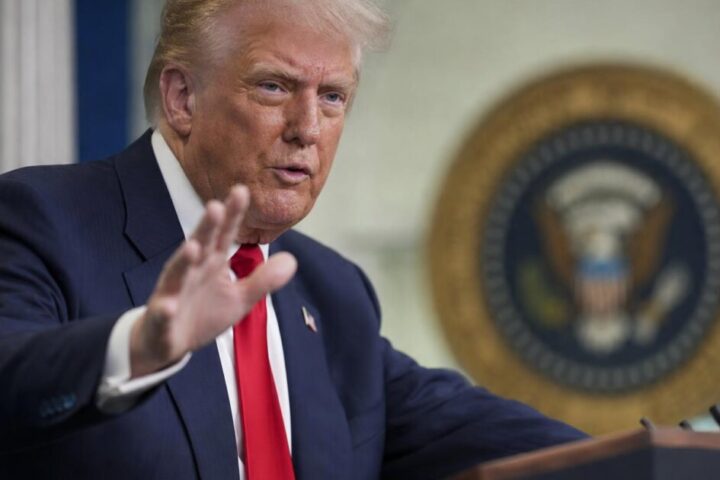
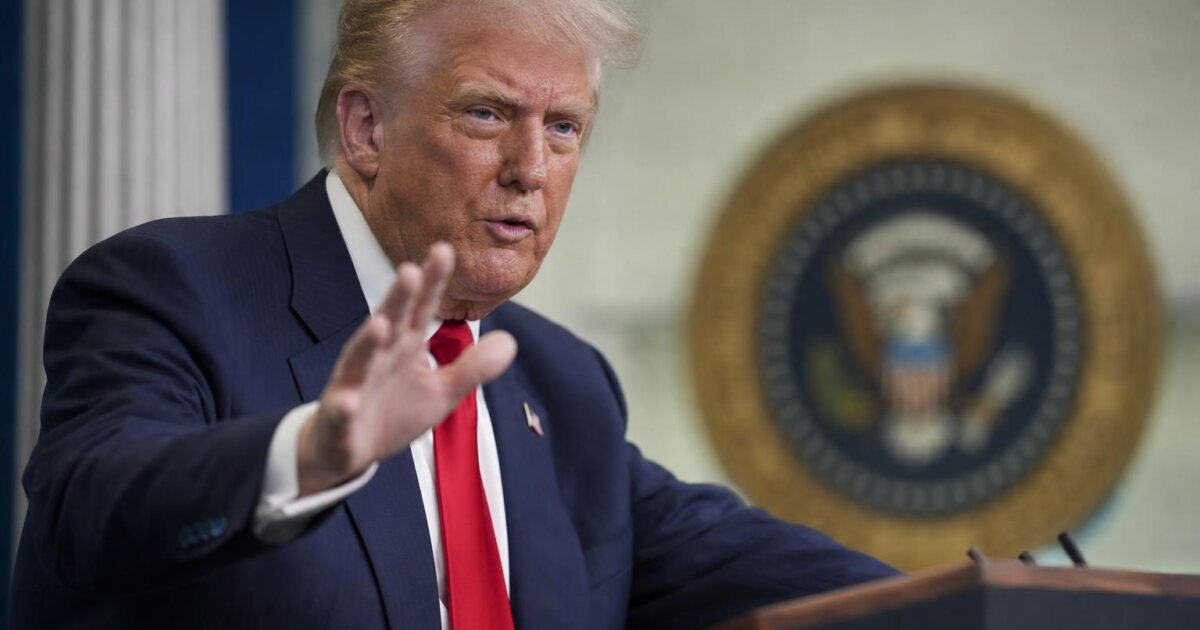
That note echoed a similar tension in Trump’s own speech a day earlier, when the U.S. president suggested a diplomatic resolution was possible, likely following the U.S. midterm elections in November. The parallel statements suggest both sides are managing domestic audiences while keeping a narrow channel open for talks.
What Comes Next for U.S.-Iran Relations
The back-to-back speeches at the General Assembly reflect the fragile and volatile state of U.S.-Iran relations seven months into an active conflict. Low-level talks between Iranian and American officials continued on the sidelines of the U.N. gathering this week, though no breakthroughs were announced.
Whether formal negotiations resume before the November midterms remains uncertain. Both governments face significant domestic pressure, and neither side has shown willingness to make a first public concession. The Strait of Hormuz and the U.S. naval blockade remain unresolved flash points that analysts say could escalate quickly if diplomacy stalls.