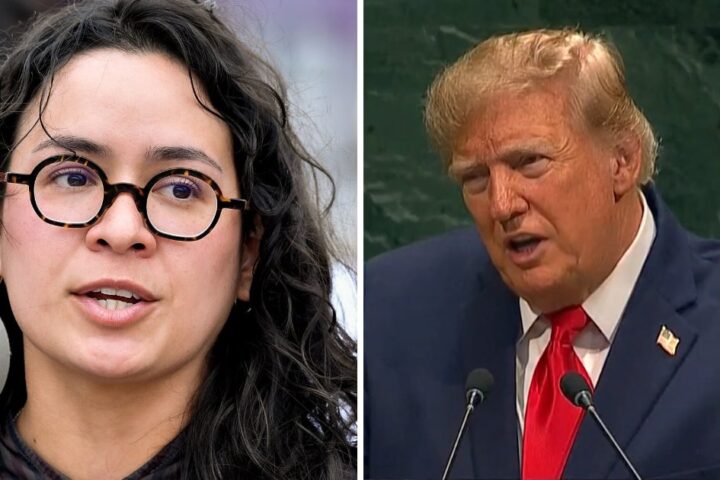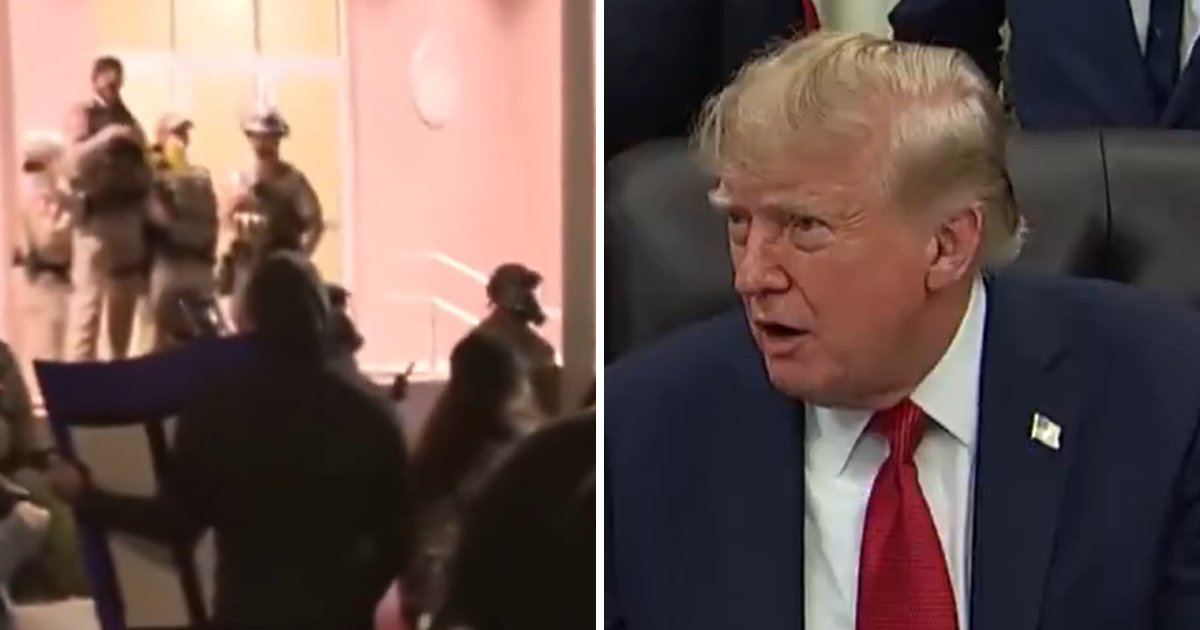
Protesters in Austin spray-painted graffiti threatening to kill President Donald Trump and ICE officers in the days following an officer-involved shooting of a Venezuelan man during an immigration enforcement operation. The graffiti appeared on overpass support pilings as demonstrations spread across the city.
The shooting occurred Sunday when an ICE Enforcement and Removal Operations officer shot and wounded 28-year-old Wilber Rafael Garces Perez after Perez allegedly attempted to flee in a vehicle. Social media videos captured the incident from multiple angles, including footage of an Austin Police Department officer administering first aid to Perez while awaiting an ambulance. Perez appears to have sustained a gunshot wound near the left side of his spine.
Wilber Rafael Garces Perez and the Enforcement Action
According to information obtained by Austin ICE shooting and protests, Perez illegally entered the United States during what officials have described as the Biden Border Crisis. An immigration judge had issued a final order of removal, which the ICE officer was attempting to enforce at the time of the shooting. The Department of Homeland Security acknowledged the shooting and confirmed Perez’s Venezuelan nationality but has released no further details.
Texas Department of Public Safety troopers responded to the scene to maintain order as the protests broke out. In addition to the graffiti threatening Trump’s life, a separate message painted at the scene threatened to murder ICE officers. The threats mark a sharp escalation in tensions surrounding immigration enforcement in the Texas capital.
Austin’s $850,000 Deportation Defense Fund
Separately, the Austin City Council quietly moved to approve an $854,872 deportation defense funding package, placing the measure on the consent agenda, a mechanism typically reserved for non-controversial items passed in a single block vote without public debate. City documentation shows the funds are explicitly earmarked to pay for legal strategies targeting federal immigration enforcement.
The program covers direct legal representation for immigrants in removal proceedings, pro se court coaching workshops, help securing work authorization documents, and the payment of federal filing fees. Austin Public Health, the lead department administering the agreements, lists helping clients obtain and maintain public benefits as a key program metric.
State Legal Challenges Could Threaten the Program
Austin’s move comes despite a binding legal precedent from the Supreme Court of Texas that cast serious doubt on whether local governments can lawfully spend taxpayer money on deportation defense. In a parallel case involving Harris County’s similar immigrant legal services fund, Texas Attorney General Ken Paxton sued, arguing the spending violated the Gift Clause of the Texas Constitution. The state’s high court intervened and froze Harris County’s ability to disburse further funds.
Legal advocates and state officials are expected to scrutinize Austin’s program in light of that ruling. Austin city officials have not publicly addressed how the new spending would survive the constitutional challenges that shut down the Harris County initiative.