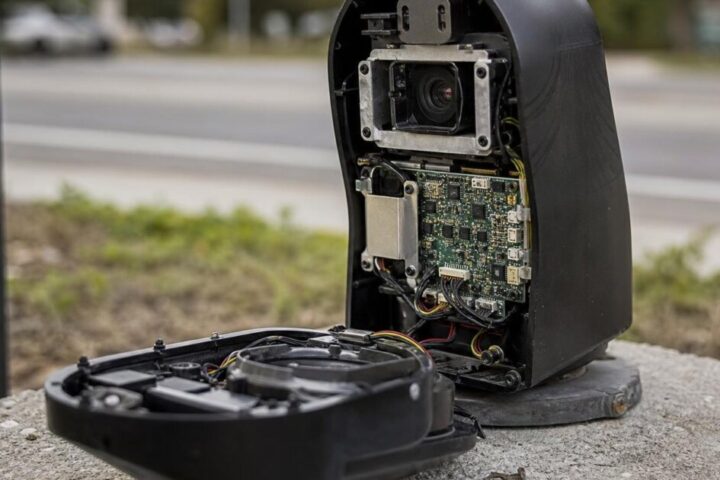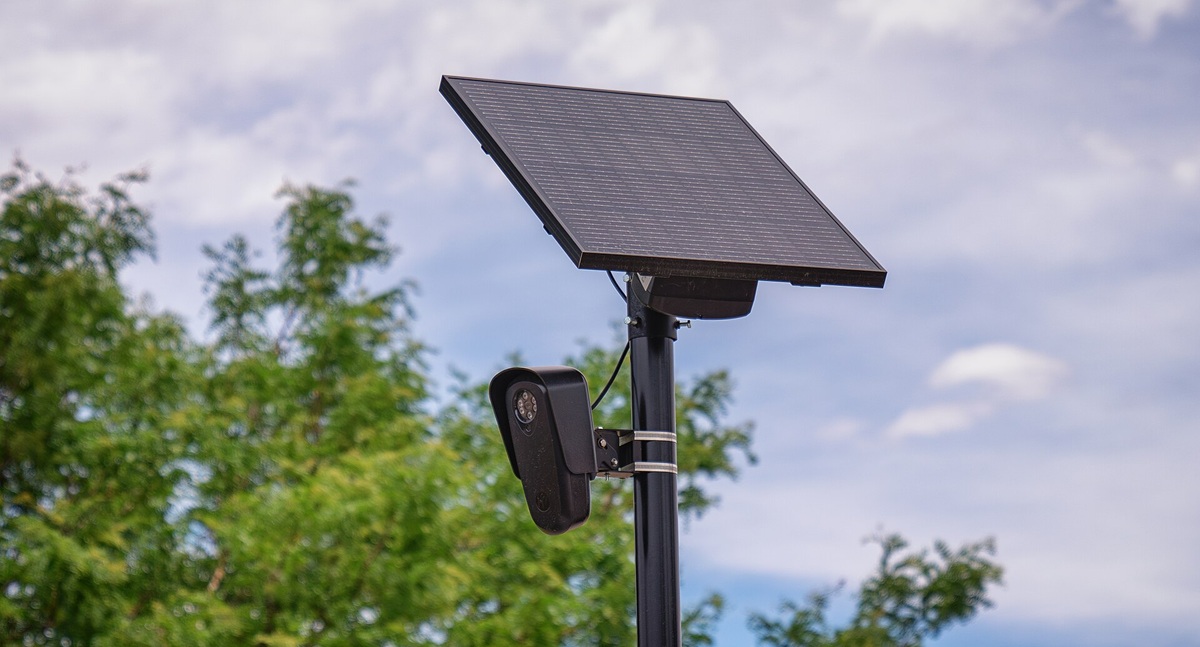
A patent granted to Flock Safety in 2022 describes a surveillance system capable of facial recognition, racial classification, and full-body pedestrian tracking, capabilities the company has repeatedly and publicly denied possessing. The patent directly contradicts statements made by Flock executives and published on the company’s own website.
The U.S. Patent and Trademark Office granted Flock the patent, titled “System and method for object based query of video content captured by a dynamic surveillance network,” in August 2022. It names Flock CEO Garrett Langley and co-founder Matt Feury as inventors.
What the Flock Safety Patent Actually Describes
According to the patent, Flock’s system is designed to connect unrelated surveillance cameras, including those at intersections, convenience stores, and gated communities, into a single searchable network. The patent states the system is “not constrained by any geographic footprint associated with a set network of surveillance devices” and allows “unrelated surveillance devices configured to upload video streams to the system.”
The technology goes well beyond reading license plates. The patent describes the ability to query footage using “face recognition data points” and to identify pedestrians by sex, race, clothing, height, and weight. To quote the patent directly: “if the object class of the identified object is that of a human being, then the object detection module may further analyze the image using a neural network module configured to identify different classes of people (male, female, race, etc.).”
The patent also outlines a scenario in which a subscriber could receive a smartphone alert when the system detects someone statistically similar to a named individual, such as, in the patent’s own example, Flock Safety surveillance capabilities “the teenage daughter of a subscriber,” triggering an SMS notification to the subscriber’s phone.
Flock Executives Deny Tracking People
Despite what the patent describes, Flock published a blog post in May stating its cameras “do not use facial recognition” and “are not general-purpose surveillance systems designed to identify people.” The post argued the technology is “built to identify vehicle information, not personal biometric data.”
In June, Flock Chief Communications Officer Josh Thomas denied during an interview with Atlanta News First Investigates that the system tracks individuals. “Tracking the whole of your movements is very different than knowing that you passed by one specific camera, 24 specific cameras,” he said. When pressed again, Thomas repeated the claim: “We’re not tracking people.”
Flock’s FAQ page also states its technology is “not a live-tracking system” and that each image captured is a “standalone vehicle event,” language that appears to conflict with the patent’s description of a unified, dynamic, and searchable network.
Growing Backlash and What Comes Next
Public opposition to Flock’s camera network has already pushed several states, counties, and law enforcement agencies to cancel their contracts with the company. Flock has responded by defending its technology as a useful crime-fighting tool and announcing new safeguards meant to limit officer misuse.
The patent’s contents are likely to intensify that scrutiny. Activists and local officials in jurisdictions still under contract with Flock are expected to cite the document as evidence that the company’s public assurances do not match the system it actually built and patented.