Texas Governor-elect Gina Hinojosa could reshape the state’s border-security strategy after defeating Republican Gov. Greg Abbott in Tuesday’s closely watched election.
The Democratic state representative will become Texas’ first Democratic governor since Ann Richards left office in January 1995.
Among Hinojosa’s biggest early decisions will be determining the future of Abbott’s multibillion-dollar Operation Lone Star border-security initiative.
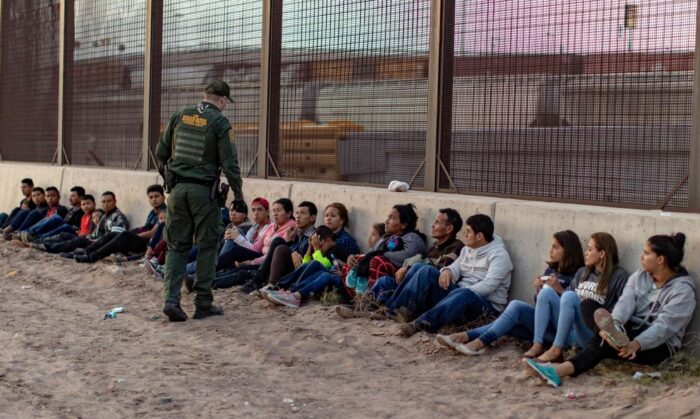
Abbott launched Operation Lone Star in 2021 as illegal border crossings surged during former President Joe Biden’s administration.

The program eventually became one of Abbott’s defining policies and placed Texas at the center of the national immigration debate.
Texas has spent more than $11 billion on the operation, which includes National Guard deployments, state law-enforcement operations and border-barrier construction.
More than 10,000 National Guard members have participated in the effort, while Texas constructed sections of its own barrier along the Mexican border.
Hinojosa has criticized Operation Lone Star repeatedly and voted against its original funding while serving in the Texas Legislature.
However, she has stopped short of promising to eliminate the entire program after taking office.
“As governor, I’ll put in the work to secure the border, not waste working Texans’ money on political theater,” Hinojosa said – which, from a Democrat is usually code for “I’m going to end our border security initiative.”
That distinction leaves significant uncertainty surrounding which portions of Abbott’s border program could continue under the incoming Democratic administration, though the federal government still has primary enforcement authority and under President Trump, that has been strict and successful.
Hinojosa has argued that some Operation Lone Star spending has produced questionable returns for taxpayers.
She has specifically criticized spending associated with prosecuting migrants for trespassing while Texas taxpayers simultaneously financed legal representation for those defendants.
“Public safety shouldn’t be a political stunt,” Hinojosa said while discussing her plans for border security.
“I will spend the money it takes to keep our community safe, not for political theater,” she added.
Hinojosa has also opposed additional border-wall construction in the Big Bend region, questioning whether new barriers there would meaningfully improve security.
She has been similarly critical of some Immigration and Customs Enforcement operations and Texas cooperation with federal immigration authorities.
The governor-elect previously accused Abbott of allowing Texas to become a “staging ground” for federal enforcement activities she opposed.
However, Hinojosa has also acknowledged the dramatic decline in illegal crossings since President Donald Trump returned to office.
She has credited Trump administration policies with helping reduce illegal immigration, complicating attempts to characterize her position as opposition to border enforcement generally.
That reduction could also influence how aggressively Hinojosa dismantles or restructures Operation Lone Star.
Abbott created the program under dramatically different border conditions as encounters reached historic levels during the Biden administration.
Trump reversed numerous Biden-era immigration policies after returning to office and dramatically expanded federal enforcement operations.
With crossings now substantially lower, Hinojosa could argue that Texas no longer needs to maintain Abbott’s emergency-level state deployment.
Republicans could counter that Operation Lone Star helped create the deterrence and enforcement infrastructure contributing to improved border security.
The political battle will matter beyond Texas because the state shares approximately 1,250 miles of international border with Mexico.
Abbott spent years challenging the Biden administration over immigration while deploying state resources to supplement federal enforcement.
Texas installed razor wire, deployed troops and law-enforcement officers, constructed barriers and transported migrants to Democratic-controlled cities nationwide.
Hinojosa’s victory potentially ends that confrontational model just as Trump is expanding federal immigration enforcement nationally.
Her ability to dramatically overhaul Texas policy will not be unlimited.
Republicans retained control of the Texas Senate, creating a potential obstacle to major elements of Hinojosa’s legislative and spending agenda.
Border funding could therefore become an immediate source of conflict between the Democratic governor and Republican lawmakers.
Hinojosa also campaigned heavily on affordability, education and reducing what she described as excessive corporate influence in Austin.
She has proposed using Texas budget reserves to provide households with one-time $1,500 payments and supports expanding Medicaid.
But border security could become the earliest test of how dramatically Texas government changes under Democratic leadership.
Hinojosa says she intends to secure the border while eliminating spending she considers ineffective or politically motivated.
What remains unanswered is whether that means reforming Operation Lone Star or dismantling major portions of Abbott’s signature program.
After five years and more than $11 billion, the future of Texas’ unprecedented state-run border operation now rests largely with a governor who opposed its creation.