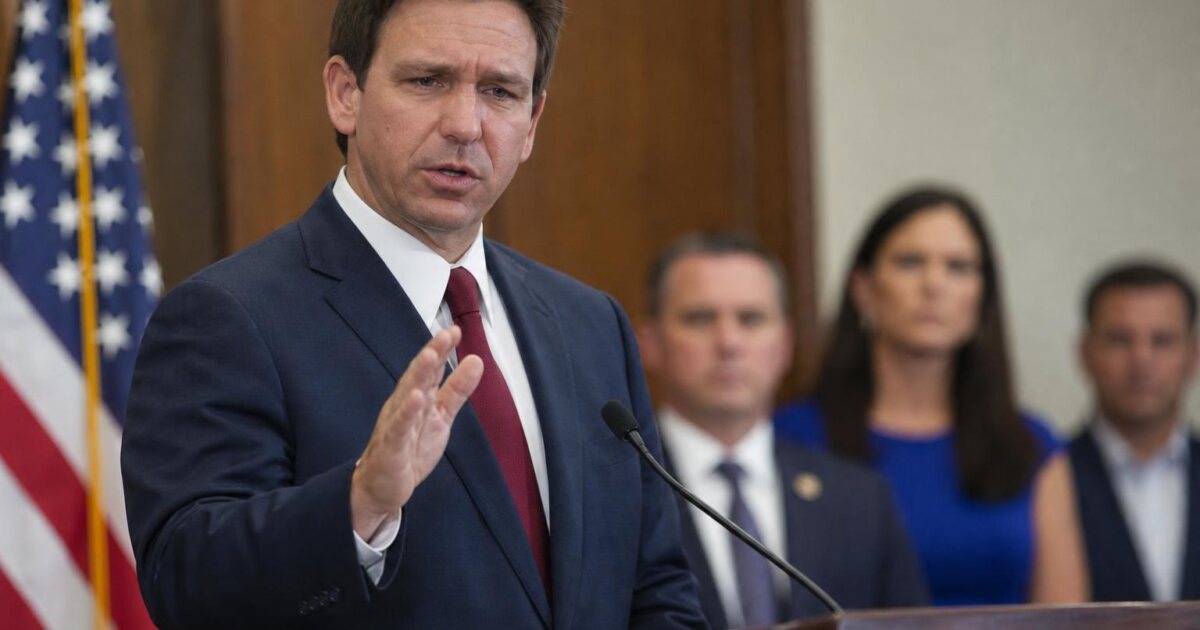
Florida Gov. Ron DeSantis stood up Wednesday and said what a lot of Republicans were probably thinking but didn’t want to say out loud: the 2026 midterms were a disaster. A big, ugly, generational disaster.
“This is close to an extinction-level event for Republicans in many parts of the country,” DeSantis declared, calling the results one of the party’s worst political defeats in generations. He said Republicans lost control of major institutions in states once considered safely conservative, including Texas, and that Democrats now look positioned to dominate Congress. “We’re in a deep hole nationally as a result of this election,” he added. No sugarcoating. No spin. Just the painful truth served cold.
DeSantis projected that Democrats could enter January controlling 56 U.S. Senate seats and as many as 258 House seats. Those are his projections, not certified results, but the picture he painted was grim. DeSantis 2026 midterm assessment He warned those numbers would be enough to block Trump from confirming conservative Supreme Court justices and key administration officials, and would open the door to years of congressional investigations into the Trump administration. This is probably the political worst-case scenario for a midterm election,” DeSantis said. Hard to argue with that.
He singled out Texas, saying the state suffered extraordinary Republican losses. If the Republican Party doesn’t have Texas as an anchor, then we are not going to be viable nationally going forward,” he said. That’s a sentence no Republican ever expected to have to say out loud, and yet here we are.

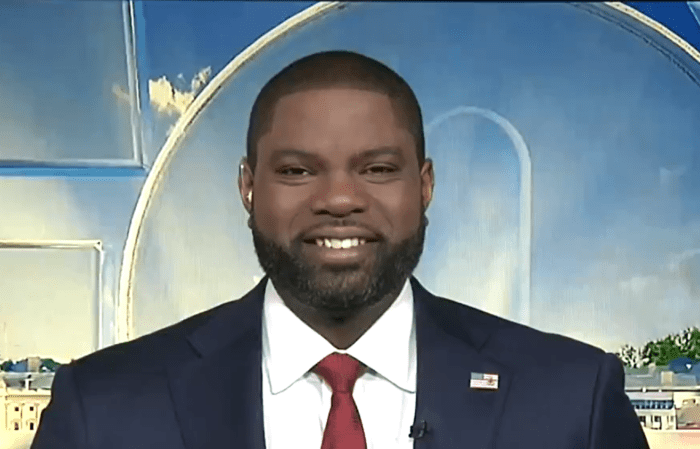
Florida held on, but barely. DeSantis credited the state’s Republican infrastructure for surviving the national wave, pointing to wins by Governor-elect Byron Donalds, Sen. Ashley Moody, and Attorney General James Uthmeier. Still, he acknowledged that Florida’s political environment shifted 10 to 15 percentage points toward Democrats. “Florida is the last main anchor standing,” he said. One anchor is better than none, but it’s not exactly a victory lap.
DeSantis didn’t stop at the big picture. He unloaded on congressional Republicans for their failures on issues voters actually cared about. He criticized lawmakers who blocked the release of Jeffrey Epstein-related records despite previous promises of transparency. “That’s a bad vote,” he said flatly. He also called out members of Congress who trade stocks while sitting on committees that oversee the very industries they’re investing in, and said banning that practice would help restore public trust. Republicans looking disconnected from voters’ concerns about accountability and the cost of living, he argued, paid for it at the ballot box.
He also raised alarms about surveillance technology, specifically automated license plate readers like Flock cameras. “They’re harvesting data about who’s going through, they’re giving it to private companies, they can create dossiers, they can sell the data,” DeSantis warned. He called for stronger privacy protections and renewed work on an artificial intelligence bill of rights. Republicans who wave off those concerns, he said, do so at their own political peril.
When someone asked if he planned to ride in and save the party, he wasn’t having it. “There’s no saviors in politics,” DeSantis said. “Elected officials are supposed to be servants.” He declined to talk about future campaigns and said he’s focused on finishing his term, including pushing through property tax relief and scheduling a special legislative session to implement Florida’s newly passed homestead tax amendment by January 1.
Republicans nationwide now have a long road ahead, and DeSantis just handed them the map showing exactly how far they’ve fallen. The question is whether anyone in Washington is paying attention, or whether they’re too busy trading stocks to notice.