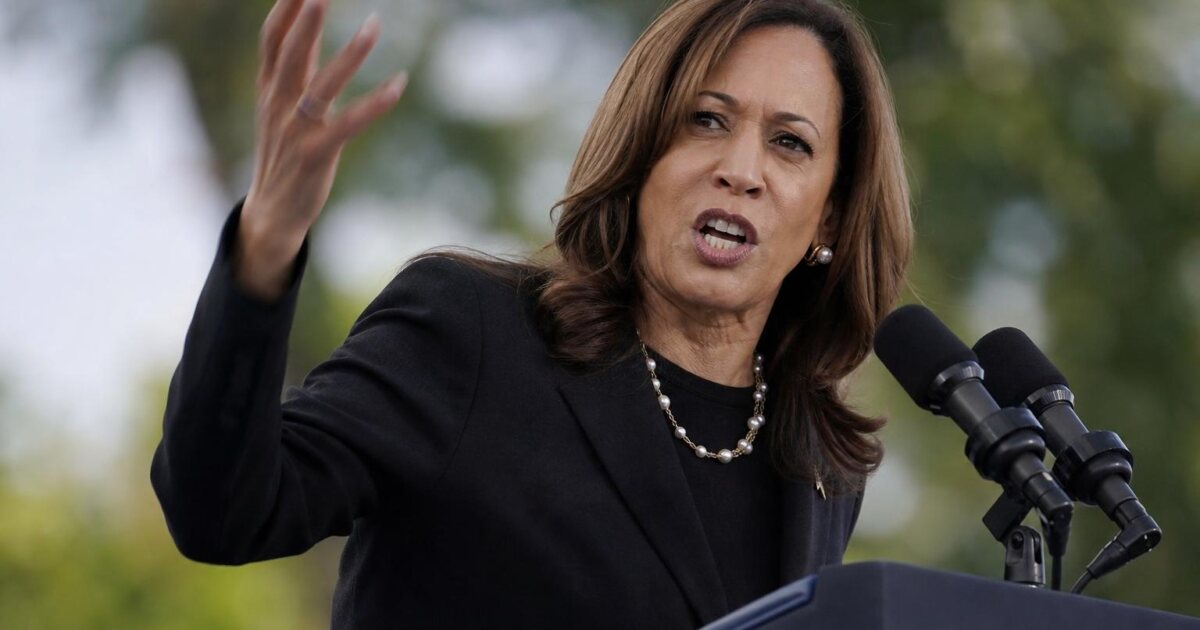
Kamala Harris is facing sharp criticism after publicly describing the removal of noncitizens from voter rolls as “cheating,” a comment that drew an immediate response from the Department of Homeland Security on September 23.
Video of Harris circulated widely online, in which she told supporters, “They’re trying to take our tools, but we are a creative people.” The remarks came as election officials in multiple states continue to find noncitizens on their voter rolls, undercutting Democratic claims that the problem is exceedingly rare.
Kamala Harris says that removing hundreds of thousands of non-citizens from voter rolls is “cheating.”
“They’re trying to take our tools, but we are a creative people.”
— RNC Research (@RNCResearch) September 23, 2026
Most cases of illegals or noncitizens voting typically ended up in favor of Democrats, which contradicts what Kamala Harris says and puts her party in the spotlight for alleged cheating.
Critics have one major question: why should a non-citizen be allowed to vote on anything in America?
Noncitizen Registrations Found Across Multiple States
More than 6,000 noncitizens were recently found registered to vote in New Jersey. In Michigan, Attorney General Dana Nessel has charged noncitizens for voting in the 2024 election, despite Secretary of State Jocelyn Benson’s repeated assurances that the state maintained “clean voter lists.
Those findings have intensified Republican-led efforts to purge noncitizens from voter rolls, efforts that Democrats have broadly opposed. Harris framed those purges as an attack on legitimate voters, arguing that “removing hundreds of thousands of non-citizens from voter rolls” amounts to electoral cheating, according to Kamala Harris voter roll comments.
DHS Responds Directly to Harris
The Department of Homeland Security did not stay silent. The agency responded to Harris’s remarks the same day by posting on social media, a move widely interpreted as a pointed rebuttal to the former vice president’s characterization of noncitizen roll removals.
Critics noted that Harris’s framing appeared to conflate noncitizens on voter rolls with legally registered citizens, an argument opponents say misrepresents what election officials are actually doing. Removing ineligible registrants, they contend, protects the integrity of the vote rather than suppressing it.
What Comes Next in the Voter Roll Fight
The exchange is likely to escalate an already heated national debate over voter roll maintenance and election integrity ahead of future election cycles. Republicans have continued to push for stronger identification requirements and more aggressive list cleanup efforts at the state level.
Democrats, for their part, show no sign of backing away from the argument that aggressive purges risk disenfranchising eligible voters. With new noncitizen registration cases surfacing regularly, both sides appear set for continued clashes over who controls the rules around voter eligibility.