China is poised to overtake both France and the United States as the world’s leading nuclear power producer within the next decade, according to a new analyst report. The country’s nuclear sector is expanding so quickly, in both conventional capacity and cutting-edge reactor technology, that it is reshaping the global energy landscape.
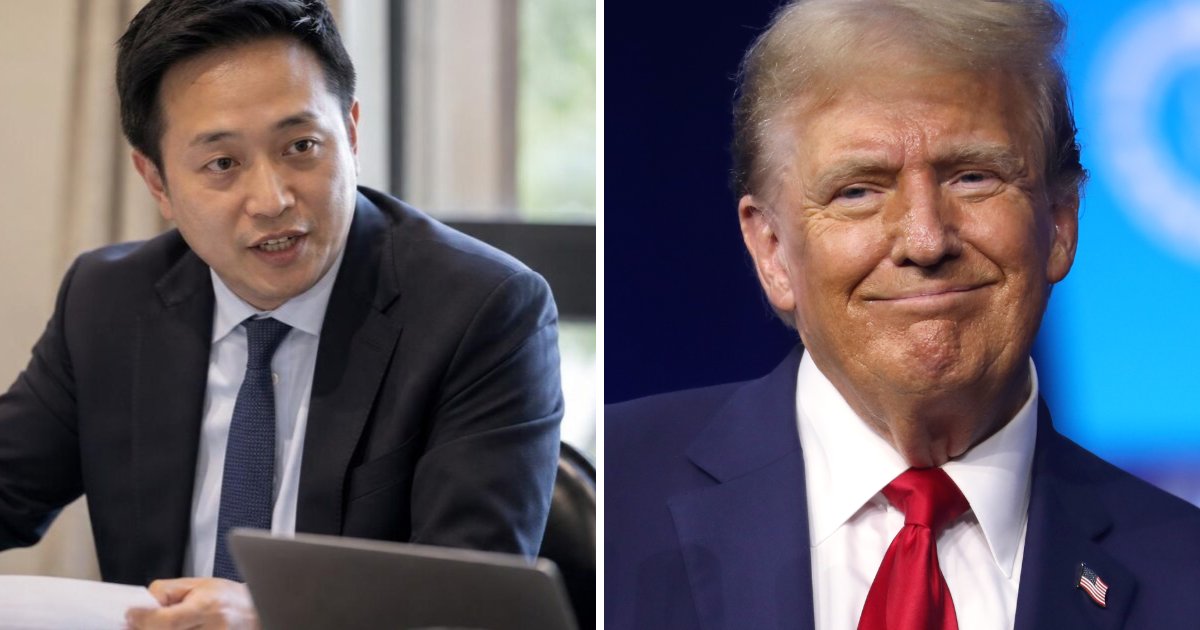
“By a wide margin, China will have the world’s most dynamic and significant nuclear industry through 2035,” wrote Damien Ma, energy lead analyst for Gavekal Technologies, in a recent report quoted by the South China Morning Post. The United States, while still the current top producer, has added just one nuclear plant in the past decade. China, by contrast, added 34 gigawatts of capacity over the same period.
Speed and Scale That the U.S. Cannot Match
Construction timelines highlight the gap between the two countries. Ma noted that “construction efficiencies mean China can build a new plant in about six years, compared with more than a decade for the latest Vogtle reactors in the US.” America’s Plant Vogtle in Georgia, the only new nuclear plant added in the U.S. in a decade, became a symbol of delay and cost overruns.
China’s latest five-year plan signals no slowdown. The Center for Strategic and International Studies recently reported that the plan shows nuclear energy “underpins multiple strategic priorities for China in the context of not only energy security but also technological innovation and global engagement.” Beijing’s broader ambition is to become the world’s first so-called electrostate, with a world-class nuclear fleet at the center of that goal.
As part of that push, China has moved aggressively into advanced reactor designs. According to China nuclear energy expansion report, Power Magazine noted in March that China has achieved “the world’s first in-reactor thorium breeding confirmation” and is developing a dual PWR-HTGR plant alongside commercial supercritical CO2 generation, describing it as “a vertically integrated advanced nuclear ecosystem.”
China Opens the Door on Reactor Technology Sharing
In a move that surprised many observers, China this week signed a deal with the International Atomic Energy Agency to share its expertise in high-temperature gas-cooled reactors, known as HTGRs, with other nations. HTGRs are fourth-generation reactors capable of producing energy at extremely high temperatures, making them useful across a range of industrial applications beyond electricity generation.
The agreement covers research and development, reactor design, construction, commissioning, and operation, as well as supply chain information and personnel training. Analysts say the deal could give other countries meaningful access to China’s engineering experience at a time when interest in advanced nuclear systems is growing worldwide.
What Comes Next for the U.S. and the Global Nuclear Race
The Trump administration has stated its intention to “produce lasting American dominance in the global nuclear energy market” and is investing in next-generation reactors, nuclear fusion research, and domestic uranium enrichment. However, analysts say the U.S. advanced nuclear sector still lags China significantly in both spending and technical capability.
The stakes extend beyond national competition. Advanced nuclear energy, available around the clock, is increasingly viewed as a critical tool for meeting the growing electricity demands of artificial intelligence infrastructure while addressing climate change. China’s willingness to share HTGR knowledge through the IAEA could mark an early step toward broader international cooperation on what remains a global challenge.