New Jersey Democratic Rep. LaMonica McIver stormed an ICE detention facility in Newark last May, physically clashed with federal immigration officers on camera, and then spent the better part of a year arguing that her congressional status immunized her from prosecution for what she did. The Third Circuit Court of Appeals just told her that argument doesn’t hold.
townhall
The three-judge panel declined to dismiss the assault charges against McIver, ruling that her conduct at Delaney Hall was not protected legislative activity. Two of the three charges proceed to trial. The court sent one charge back for reconsideration on immunity grounds — but the core criminal exposure from physically assaulting federal agents stands.
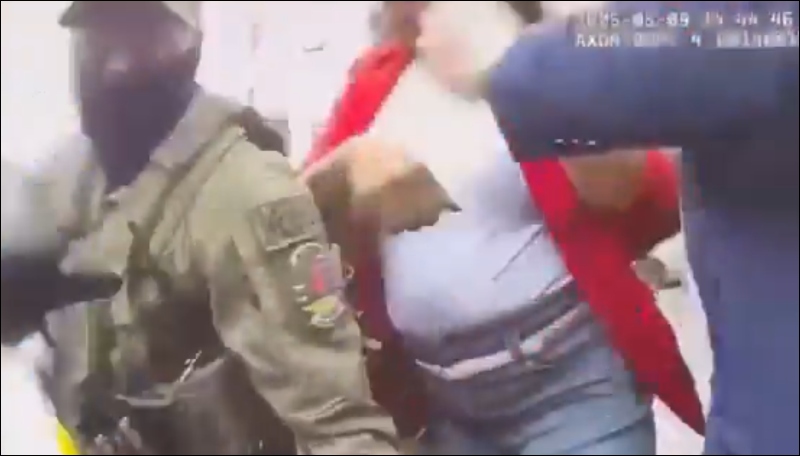
The video evidence is not ambiguous. Multiple angles document McIver shoving and striking law enforcement officers during what was supposed to be a congressional oversight visit to the ICE facility. Newark Mayor Ras Baraka was arrested at the same incident. Rep. Robert Menendez was caught on camera delivering his own physical contact with officers. The scene was chaotic, orchestrated, and deliberately designed to obstruct the operation of a lawful federal facility.
WATCH
UNBELIEVABLE! New footage shows Democrat Congresswoman, LaMonica McIver ASSAULTING an ICE agent. pic.twitter.com/SjZp4gPuRk
— Trump War Room (@TrumpWarRoom) May 10, 2025
McIver’s legal argument was essentially: legislators are entitled to conduct oversight of the executive branch, and therefore anything she did in the vicinity of an oversight visit is protected. The Third Circuit’s response was to apply a basic principle — legislative immunity covers legislative acts, not physical assaults on federal law enforcement.
McIver said the court “got it wrong” and is “exploring every possible option.” She argued that elected representatives must be authorized to conduct oversight “without fear of retaliation.” The assertion that physically assaulting federal agents constitutes protected oversight activity is not a legal argument. It is a political talking point wearing a legal costume.
townhall
The stakes are significant. If convicted on all three counts, McIver faces up to 17 years in federal prison. In practice, first offenders with no prior criminal record typically receive substantially lighter sentences — probation, fines, community service, and the political career-ending stigma of a federal criminal conviction. The maximum exposure is notable primarily for what it says about how seriously federal law treats assault on immigration officers.
Assaults against ICE agents increased by 1,300% during the period when politicians like McIver were describing them as storm troopers and terrorists. The political climate that produced that statistic is the same one that put McIver and her colleagues on the steps of a federal detention center shoving officers on camera.
The message the Third Circuit sent today is the right one. Congressional oversight is real and important. Physical assault on federal law enforcement is a crime. No one’s title makes those two things the same.
McIver is exploring her options. She should probably start helping prepare for her defense instead. A jury will eventually explore the evidence.